

Conditions
Trigeminal Neuralgia Treatment in Singapore
Overview
What is Trigeminal Neuralgia? What are the Types of Trigeminal Neuralgia? What Causes Trigeminal Neuralgia? Signs and Symptoms of Trigeminal Neuralgia Risk Factors for Trigeminal Neuralgia How is Trigeminal Neuralgia Diagnosed? How is Trigeminal Neuralgia Treated? Can Trigeminal Neuralgia Be Prevented? When to Seek Medical Attention for Trigeminal Neuralgia?

Dr Thor Timothy
Consultant Pain Specialist & Anaesthesiologist
MBBS (S'pore), MMed (Anaesthesiology), FFPMANZCA (ANZCA, Australia/New Zealand), EDPM (Europe),FAM (S'pore)
Trigeminal neuralgia is a nerve-related pain condition that can cause sudden episodes of intense facial pain. The discomfort may be triggered by everyday activities such as talking, chewing, brushing your teeth or even a light touch to the face, making routine tasks difficult for some individuals.
Although trigeminal neuralgia is uncommon, its symptoms can significantly affect quality of life. If facial pain is recurring, becoming more severe or interfering with daily activities, an assessment can help determine the underlying cause and identify appropriate treatment options.
Although trigeminal neuralgia is uncommon, its symptoms can significantly affect quality of life. If facial pain is recurring, becoming more severe or interfering with daily activities, an assessment can help determine the underlying cause and identify appropriate treatment options.
What is Trigeminal Neuralgia?
Trigeminal neuralgia (TN) is a chronic pain condition affecting the trigeminal nerve, which carries sensation from the face to the brain. When this nerve becomes irritated or compressed, it can cause episodes of severe facial pain that may occur suddenly and without warning.
The condition most often affects one side of the face and can involve the cheek, jaw, teeth, gums or areas around the eye. Because even routine activities can trigger painful episodes, trigeminal neuralgia may significantly affect daily life, eating, speaking and personal care.
The condition most often affects one side of the face and can involve the cheek, jaw, teeth, gums or areas around the eye. Because even routine activities can trigger painful episodes, trigeminal neuralgia may significantly affect daily life, eating, speaking and personal care.
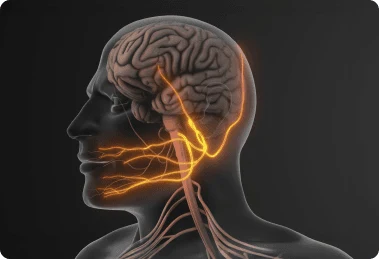
What Are the Signs and Symptoms Of Trigeminal Neuralgia?
Trigeminal neuralgia is characterized by the following symptoms:
Sudden Electric Shock-Like Facial Pain
The hallmark symptom of trigeminal neuralgia is sudden, intense facial pain often described as an electric shock, stabbing or shooting sensation. Pain episodes may occur without warning and can be severe despite their short duration.Pain on One Side of the Face
Symptoms usually affect only one side of the face. Commonly involved areas include the cheek, jaw, gums, teeth or around the eye, depending on which branch of the trigeminal nerve is affected.Short, Repeated Pain Attacks
Pain episodes typically last from a few seconds to two minutes but may occur repeatedly throughout the day. Some people experience clusters of attacks over days or weeks.Pain Triggered by Everyday Activities
Simple activities such as talking, chewing, brushing your teeth, washing your face or applying makeup can trigger pain episodes.Pain-Free Periods Between Attacks
Many individuals experience periods where symptoms disappear completely before returning weeks, months or even years later.Burning or Aching Pain Between Attacks
In some cases, particularly atypical trigeminal neuralgia, a persistent aching, throbbing or burning sensation may remain between episodes of sharp pain.Common Triggers of Trigeminal Neuralgia Pain
One characteristic feature of trigeminal neuralgia is that everyday activities can trigger pain. These triggers vary from person to person, but recognising them may help with symptom management.
Chewing
Talking
Smiling
Brushing teeth
Washing the face
Shaving
Applying makeup
Touching the face lightly
Exposure to cold air or wind
Drinking hot or cold beverages
What Causes Trigeminal Neuralgia?
The primary cause of trigeminal neuralgia is the compression of the trigeminal nerve, often by a blood vessel pressing against it. Other possible causes include:
Ageing
Structural changes in the nerve and surrounding blood vessels over time.Tumors or Cysts
Growths pressing on the trigeminal nerve can trigger pain episodes.Arteriovenous Malformation (AVM)
Abnormal blood vessel formation can compress the nerve.Multiple Sclerosis (MS)
Damage to the protective nerve covering (myelin sheath) can result in TN symptoms.Facial Trauma or Surgery
Injury or surgical procedures involving the face may damage the nerve.Idiopathic Cases
In some instances, no clear cause can be identified.Signs And Symptoms Of Trigeminal Neuralgia

Trigeminal neuralgia is characterized by the following symptoms:
Sudden, intense, electric shock-like pain in the face
Pain affecting one side of the face, typically along the jaw, cheek, or eye
Episodes lasting from a few seconds to minutes
Recurring pain attacks triggered by activities like talking, chewing, brushing teeth, or touching the face
Periods of remission where no pain is felt, followed by recurrences
In atypical cases, a persistent burning or aching sensation between attacks
Pain intensity increasing over time if left untreated
What Are the Types Of Trigeminal Neuralgia?
Trigeminal neuralgia is classified into different types based on the nature and severity of symptoms:
Type 1 (Classic or Typical Trigeminal Neuralgia)
Characterised by sharp, electric shock-like pain episodes that come and go. These attacks last from a few seconds to minutes and can occur in cycles over weeks or months.Type 2 (Atypical Trigeminal Neuralgia)
Involves constant, aching, burning or stabbing pain in addition to the intermittent sharp attacks. This type is often more difficult to treat.Secondary Trigeminal Neuralgia
Caused by an underlying medical condition, such as multiple sclerosis or a tumor compressing the trigeminal nerve.Risk Factors For Trigeminal Neuralgia
Several factors increase the likelihood of developing trigeminal neuralgia:
Age
Trigeminal neuralgia is more commonly diagnosed in adults over the age of 50. Age-related changes in blood vessels and nerve structures may contribute to nerve compression.Gender
The condition occurs more frequently in women than in men, although the exact reason for this difference is not fully understood.Family History
A family history of trigeminal neuralgia or certain vascular conditions may increase the likelihood of developing the condition in some individuals.Neurological Disorders
Conditions such as multiple sclerosis can damage the protective covering around nerves, increasing the risk of trigeminal neuralgia.High Blood Pressure
Increased vascular pressure may contribute to nerve compression.Facial Trauma or Past Surgery
Past facial injuries, dental procedures or surgery involving the face or jaw may occasionally irritate or damage the trigeminal nerve, contributing to facial pain symptoms.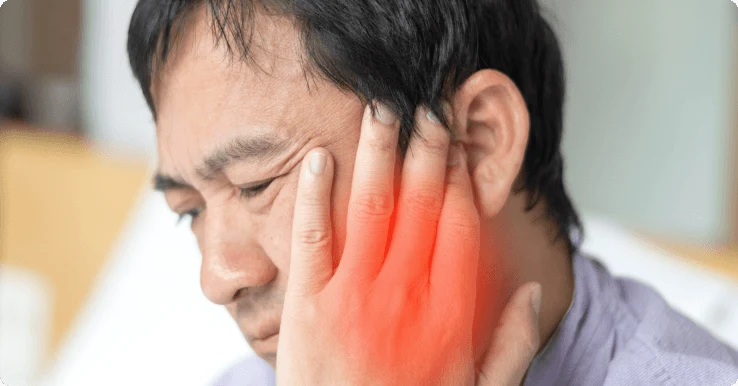
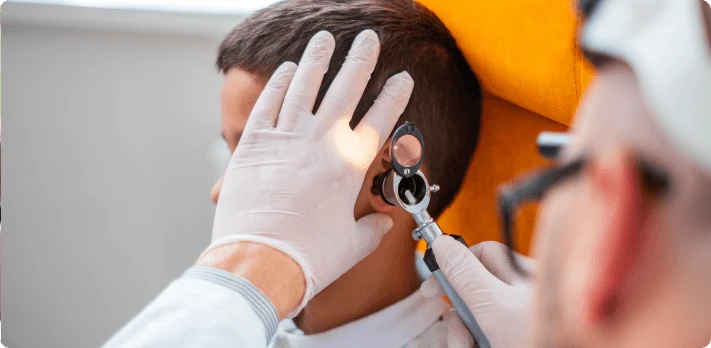
How Is Trigeminal Neuralgia Diagnosed?
There is no definitive test for trigeminal neuralgia. Instead, a pain specialist will assess your symptoms, medical history and examination findings, alongside relevant investigations, to determine the cause of your facial pain and exclude other conditions.
Medical History and Symptom EvaluationYour doctor will discuss the location, pattern, duration and triggers of your pain. The characteristics of the pain often provide important clues to the diagnosis.
Physical and Neurological ExaminationAn examination may be performed to assess facial sensation, muscle function and other neurological signs that could indicate an underlying condition.
Magnetic Resonance Imaging (MRI)MRI scans are commonly used to identify blood vessel compression of the trigeminal nerve and to exclude other causes such as tumours, cysts or multiple sclerosis.
Trigeminal Reflex TestingIn selected cases, specialised testing may be used to assess trigeminal nerve function and help distinguish trigeminal neuralgia from other neurological conditions.
Differentiating Other Facial Pain ConditionsConditions such as dental disorders, temporomandibular joint disorders, sinus conditions, cluster headaches and other forms of neuropathic facial pain can produce similar symptoms. Careful assessment helps ensure an accurate diagnosis.
Diagnostic Blocks Where AppropriateIn selected cases, diagnostic nerve blocks may be used to better understand the source of facial pain and guide treatment planning.
Trigeminal Neuralgia Treatment Options in Singapore
The treatment approach depends on the severity of the condition. Options include:
Medications
Anticonvulsants (e.g., carbamazepine, oxcarbazepine) – Help stabilise nerve activity and reduce pain episodes.
Muscle Relaxants (e.g., baclofen) – May be used in combination with anticonvulsants.
Tricyclic Antidepressants (e.g., amitriptyline) – Sometimes prescribed for atypical trigeminal neuralgia.


Can Trigeminal Neuralgia Be Prevented?
There is no guaranteed way to prevent trigeminal neuralgia, but certain lifestyle habits may reduce the risk or minimize flare-ups:
Managing blood pressure to reduce vascular compression.
Avoiding known triggers such as cold air, chewing hard foods, or facial pressure.
Reducing stress, as anxiety and tension can exacerbate symptoms.
Maintaining good dental hygiene, as dental infections may contribute to facial nerve irritation.
When To See a Trigeminal Neuralgia Pain Specialist in Singapore?
Facial pain can arise from a range of conditions, including dental problems, sinus disorders, temporomandibular joint disorders and nerve-related conditions such as trigeminal neuralgia. If you are unsure about the cause of your symptoms, a specialist assessment may help identify the underlying issue.
You may wish to consider an evaluation if:
Facial Pain Occurs Repeatedly
Recurring episodes of facial pain, particularly when triggered by routine activities, may warrant further assessment.Symptoms Affect Daily Activities
Pain that interferes with eating, speaking, brushing your teeth or other everyday activities can have a significant impact on quality of life.Medications Are No Longer Providing Adequate Relief
If symptoms persist despite treatment or medication side effects become difficult to tolerate, a review of your management plan may be beneficial.Symptoms Change Over Time
A change in pain pattern, frequency or severity may warrant reassessment to determine whether further investigation or treatment is needed.Neurological Symptoms Develop
Numbness, weakness, altered facial sensation or other neurological symptoms should be evaluated promptly, as they may indicate an underlying condition requiring further investigation.
GET IN TOUCH
Contact Us Today
For more information about our services, or to make an appointment, please reach out to us. We will get back to you as soon as possible.
Frequently Asked Questions About Trigeminal Neuralgia Pain
No, stress does not cause trigeminal neuralgia, but it can worsen symptoms by increasing muscle tension and sensitivity. Stress management techniques may help reduce flare-ups.

Meet Our Pain Specialist in Singapore
Dr Thor Timothy
Consultant Pain Specialist & Anaesthesiologist
MBBS (S'pore), MMed (Anaesthesiology), FFPMANZCA (ANZCA, Australia/New Zealand), FIPP (USA), EDPM (Europe), FAM (S'pore)
MBBS (S'pore), MMed (Anaesthesiology), FFPMANZCA (ANZCA, Australia/New Zealand), FIPP (USA), EDPM (Europe), FAM (S'pore)
Accreditations & Qualifications:
Bachelor of Medicine, Bachelor of Surgery (Singapore)
Master of Medicine in Anaesthesiology (Singapore)
Fellow of the Faculty of Pain Medicine, Australian & New Zealand College of Anaesthetists
Fellow of Interventional Pain Practice (USA)
European Diploma in Pain Medicine
Fellow of the Academy of Medicine, Singapore
Dr Thor Timothy is a consultant anaesthesiologist and pain specialist in Singapore with nearly 20 years of medical experience, including over a decade in pain medicine. Formerly the Director of Acute Pain Services at Singapore General Hospital, he has a special interest in trigeminal neuralgia treatment and management of other chronic facial pain conditions. He provides personalised, minimally invasive treatments to help patients find relief from nerve pain and improve their overall well-being. He holds multiple international pain medicine qualifications and is dedicated to delivering compassionate, multidisciplinary care tailored to each patient's needs.