

Conditions
Sciatica Pain Treatment in Singapore
Overview
What Is Sciatica? What Are the Causes of Sciatica? What Are the Types Of Sciatica? What Are the Signs and Symptoms of Sciatica? What Are the Risk Factors of Sciatica? How Is Sciatica Diagnosed? Common Conditions Mistaken for Sciatica What are the Sciatica Treatments in Singapore? What are the Complications of Sciatica? Can Sciatica Be Prevented? When To See a Sciatica Specialist in Singapore?

Dr Thor Timothy
Consultant Pain Specialist & Anaesthesiologist
MBBS (S'pore), MMed (Anaesthesiology), FFPMANZCA (ANZCA, Australia/New Zealand), EDPM (Europe),FAM (S'pore)
Sciatica is a common condition that can cause pain, tingling, numbness or weakness that travels from the lower back or buttock down the leg. Symptoms may range from mild and intermittent to severe enough to affect walking, sitting, sleeping and everyday activities.
Sciatica develops when the sciatic nerve becomes irritated or compressed, often due to underlying spinal conditions such as a herniated disc or spinal stenosis. Depending on the cause and severity of symptoms, treatment may include physiotherapy, medication, image-guided injections or, in some cases, surgery.
What Is Sciatica?
Sciatica is a condition characterized by pain that radiates along the path of the sciatic nerve, which runs from the lower back through the hips and buttocks and down each leg. It occurs when the sciatic nerve is compressed, irritated, or inflamed.
Sciatica is not a disease itself but rather a symptom of an underlying medical issue affecting the sciatic nerve. The pain can range from mild discomfort to severe, debilitating pain that affects daily activities and mobility.
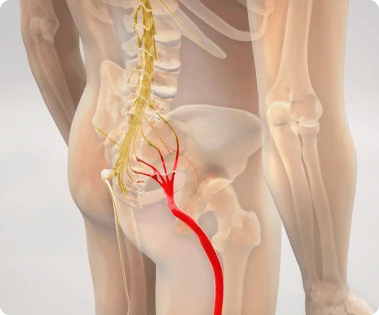
What Are the Causes of Sciatica?
Several conditions can lead to sciatic nerve irritation or compression, including:
Herniated Disc
When the soft inner portion of a spinal disc pushes through its outer layer, it can press on the sciatic nerve.Piriformis Syndrome
Tightening or spasms of the piriformis muscle in the buttocks can compress the sciatic nerve.Spondylolisthesis
When one vertebra slips forward over another, it can pinch the sciatic nerve.Tumors or Infections
Though rare, tumors or infections near the spine may put pressure on the sciatic nerve.Spinal Stenosis
Narrowing of the spinal canal puts pressure on the nerves, leading to sciatic pain.Degenerative Disc Disease
Wear and tear of spinal discs can contribute to sciatic nerve irritation.Trauma or Injury
Accidents, falls, or sports injuries can lead to nerve compression.What Are the Types Of Sciatica?
Sciatica can be categorized into different types based on its duration, cause, and severity:
1.
Acute Sciatica
Lasts for a few days to a few weeks and often resolves with conservative treatment like rest, pain medication, and physiotherapy.2.
Chronic Sciatica
Persists for more than 12 weeks and may require more advanced treatment, such as injections or surgery.3.
Alternating Sciatica
A rare condition where pain occurs alternately in both legs due to spinal or sacroiliac joint dysfunction.4.
Bilateral Sciatica
Affects both legs simultaneously, often due to severe spinal conditions like cauda equina syndrome or spinal stenosis.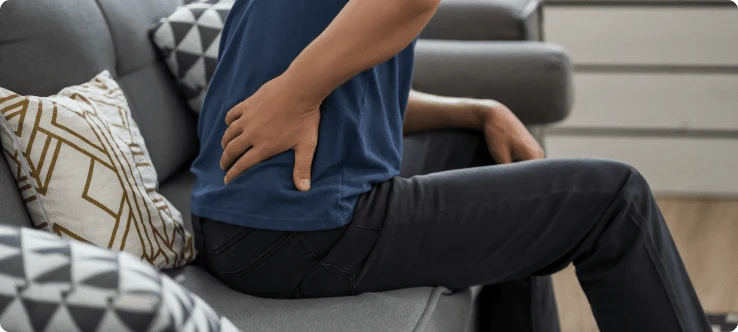
What Are the Signs and Symptoms of Sciatica?
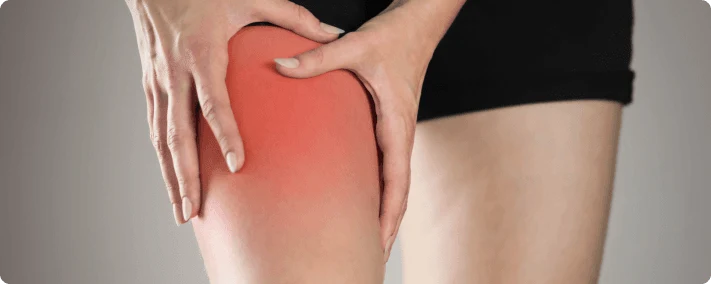
Sciatica usually presents with various symptoms, depending on the severity of nerve compression. Common symptoms include:
Sharp, burning, or shooting pain in the lower back, buttocks, and legs.
Muscle weakness in the leg or foot.
Difficulty walking or controlling leg movements.
Numbness or tingling sensations in the affected leg.
Pain that worsens with prolonged sitting or standing.
Pain that radiates down the leg, often following the sciatic nerve's path.
What Are the Risk Factors of Sciatica?
Certain factors increase the likelihood of developing sciatica, including:
Age
Degenerative spinal changes are more common with aging.Obesity
Excess weight puts added pressure on the spine and nerves.Sedentary Lifestyle
Prolonged sitting weakens core muscles, increasing strain on the lower back.Occupation
Jobs involving heavy lifting, prolonged sitting, or repetitive twisting motions increase the risk.Diabetes
Can lead to nerve damage, increasing susceptibility to sciatic nerve irritation.Smoking
Reduces blood flow to spinal tissues, affecting nerve health.Poor Posture
Misalignment and improper movement patterns contribute to nerve compression.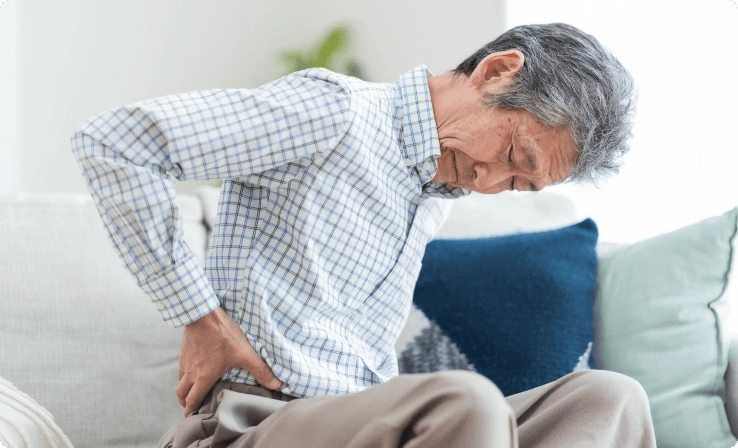
How Is Sciatica Diagnosed?
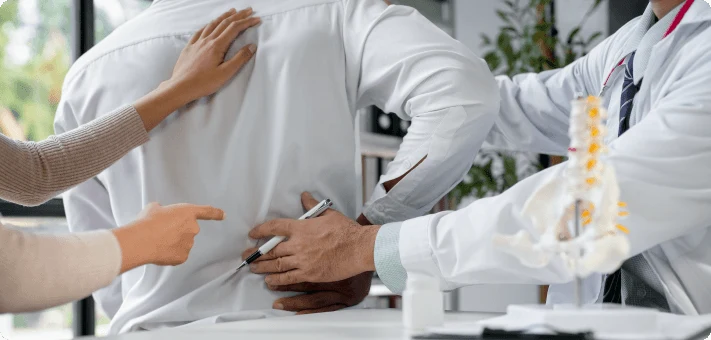
Accurate diagnosis is important as several conditions can mimic sciatica. During your consultation, the doctor will assess your symptoms, perform a physical examination and determine whether further investigations are needed to identify the underlying cause and guide treatment.
Medical History Assessment
Your doctor will discuss your symptoms, when they started, what activities aggravate or relieve them and whether you have experienced previous episodes. This information helps narrow down potential causes and identify warning signs that require further evaluation.Physical Examination
A physical examination assesses posture, spinal movement, muscle strength, sensation and reflexes. These findings help determine whether nerve compression may be present and which nerve roots could be affected.Straight Leg Raise Test
During this examination, you will lie flat while the affected leg is gently raised. Reproduction of leg pain during the test may indicate irritation of the sciatic nerve or related nerve roots.Imaging Tests
Imaging studies may be recommended when symptoms are persistent, severe or associated with neurological deficits. Depending on your condition, X-rays may be used to assess structural changes in the spine, MRI scans can help identify nerve compression and disc-related conditions, while CT scans may be performed when further anatomical detail is needed or MRI is unsuitable.Electromyography (EMG)
EMG and nerve conduction studies evaluate how well nerves communicate with muscles. These tests may help distinguish sciatica from other neurological conditions and assess the extent of nerve involvement.Common Conditions Mistaken for Sciatica
Not all leg pain is caused by sciatic nerve compression. Several conditions can produce similar symptoms, making accurate diagnosis important.
Piriformis Syndrome
Piriformis syndrome can cause buttock pain that radiates down the leg, closely resembling sciatica. However, the symptoms arise from irritation of the sciatic nerve by the piriformis muscle rather than compression within the spine.Peripheral Neuropathy
Peripheral neuropathy involves damage to peripheral nerves and may cause numbness, tingling, burning sensations or weakness in the legs. Diabetes is a common cause.Sacroiliac Joint Dysfunction
Pain originating from the sacroiliac joint can radiate into the buttock, hip or thigh and may be mistaken for sciatic nerve pain.Hip Joint Disorders
Conditions such as hip osteoarthritis, labral tears or hip impingement can cause pain that extends into the thigh or groin, sometimes mimicking sciatica.Vascular Conditions
Reduced blood flow to the legs, such as in peripheral arterial disease, may cause leg discomfort during walking. Although symptoms can resemble nerve-related pain, the underlying cause is vascular rather than neurological.What are the Sciatica Treatments in Singapore?
The treatment approach will depend on the severity and cause of sciatica.
Conservative Treatments
For mild to moderate cases, initial treatments include:
Rest and Activity Modification
Avoiding aggravating movements while staying lightly active.Physiotherapy
Strengthening core muscles and improving flexibility.Pain Medications
Over-the-counter NSAIDs (ibuprofen, naproxen) or prescribed medications for stronger relief.Cold and Heat Therapy
Applying ice packs or heat pads to reduce pain and inflammation.Postural Corrections
Ergonomic chairs and proper sitting habits can alleviate pressure on the sciatic nerve.
What are the Complications of Sciatica?
When the underlying cause of sciatica remains untreated, symptoms may persist or worsen over time.
Potential complications include:
Chronic pain that affects daily activities and quality of life
Persistent numbness or altered sensation in the leg or foot
Progressive muscle weakness affecting mobility and balance
Reduced participation in work, exercise and recreational activities
Sleep disturbances related to ongoing discomfort
In severe cases, permanent nerve damage
Rarely, severe nerve compression may result in cauda equina syndrome, a medical emergency requiring urgent treatment.

Can Sciatica Be Prevented?
Although not all cases of sciatica can be prevented, certain lifestyle habits may reduce strain on the spine and lower the risk of nerve irritation.
Regular Exercise
Regular physical activity helps strengthen the muscles that support the spine, improve flexibility and maintain healthy movement patterns. Activities such as walking, swimming and supervised strengthening exercises may be beneficial.Good Posture and Stretching
Maintaining proper posture while sitting, standing and lifting can reduce stress on the lower back. Gentle stretching may also improve flexibility and reduce muscle tightness that contributes to spinal strain.Maintain Healthy Weight
Excess body weight increases the mechanical load placed on the spine and surrounding structures. Maintaining a healthy weight may help reduce pressure on spinal discs and nerves.Quitting Smoking
Smoking can impair blood flow to spinal tissues and accelerate degenerative changes within the spine. Stopping smoking supports overall spinal and nerve health.Taking Sufficient Rest
Adequate rest allows the body to recover from physical strain. Balancing activity with appropriate recovery periods may help reduce the risk of overuse injuries affecting the lower back.When To See a Sciatica Specialist in Singapore?
Many episodes of sciatica improve with time and conservative management. However, specialist evaluation may be beneficial when symptoms persist, recur frequently or begin affecting your daily activities.
Symptoms Lasting Several Weeks
If symptoms do not improve after several weeks of conservative treatment, further assessment may be necessary to identify the source of ongoing nerve irritation.Recurring Sciatica Episodes
Repeated flare-ups may indicate an underlying spinal condition that requires further evaluation and targeted treatment.Difficulty Performing Daily Activities
When pain interferes with work, exercise, sleep or routine tasks, a specialist can assess the impact of the condition and recommend suitable treatment options.Progressive Weakness Or Mobility Limitations
Increasing weakness, balance difficulties or reduced mobility may suggest worsening nerve compression and should be assessed promptly.When Immediate Medical Attention Is Needed
Seek urgent medical attention if you experience: loss of bladder or bowel control, saddle numbness, severe or rapidly worsening weakness, symptoms following significant trauma, or suspected cauda equina syndrome.These symptoms may indicate a serious neurological condition requiring urgent treatment.
GET IN TOUCH
Contact Us Today
For more information about our services, or to make an appointment, please reach out to us. We will get back to you as soon as possible.
Frequently Asked Questions (FAQs) About Sciatica Pain
Yes, but it is rare. Bilateral sciatica often results from severe spinal conditions like spinal stenosis and requires urgent medical evaluation.

Our Sciatica Specialist in Singapore
Dr Thor Timothy
Consultant Pain Specialist & Anaesthesiologist
MBBS (S'pore), MMed (Anaesthesiology), FFPMANZCA (ANZCA, Australia/New Zealand), FIPP (USA), EDPM (Europe), FAM (S'pore)
MBBS (S'pore), MMed (Anaesthesiology), FFPMANZCA (ANZCA, Australia/New Zealand), FIPP (USA), EDPM (Europe), FAM (S'pore)
Accreditations & Qualifications:
Bachelor of Medicine, Bachelor of Surgery (Singapore)
Master of Medicine in Anaesthesiology (Singapore)
Fellow of the Faculty of Pain Medicine, Australian & New Zealand College of Anaesthetists
Fellow of Interventional Pain Practice (USA)
European Diploma in Pain Medicine
Fellow of the Academy of Medicine, Singapore
Dr Thor Timothy is a consultant anaesthesiologist and pain specialist in Singapore with nearly 20 years of medical experience, including over a decade in pain medicine. Formerly the Director of Acute Pain Services at Singapore General Hospital, he treats a range of acute and chronic pain conditions, including sciatica, nerve pain and spine-related disorders. He is experienced in both conservative and interventional approaches to sciatica management, tailoring treatment to each patient's condition and symptoms.