
Conditions
Lower Back Pain Treatment in Singapore
Overview
What is Lower Back Pain? What Are the Types of Lower Back Pain? What Causes Lower Back Pain? What Are the Common Symptoms of Lower Back Pain? What are the Risk Factors of Lower Back Pain? How Is Lower Back Pain Diagnosed? Relieving Lower Back Pain at Home What Are the Treatments for Lower Back Pain in Singapore? When Should You See a Lower Back Pain Specialist?

Dr Thor Timothy
Consultant Pain Specialist & Anaesthesiologist
MBBS (S'pore), MMed (Anaesthesiology), FFPMANZCA (ANZCA, Australia/New Zealand), EDPM (Europe),FAM (S'pore)
Lower back pain is one of the most common musculoskeletal complaints and can affect people of all ages. While some episodes improve with rest and simple self-care measures, persistent or recurring pain may interfere with work, exercise, sleep and daily activities. Understanding the underlying cause is an important step towards identifying appropriate treatment and improving long-term function.
What Is Lower Back Pain?
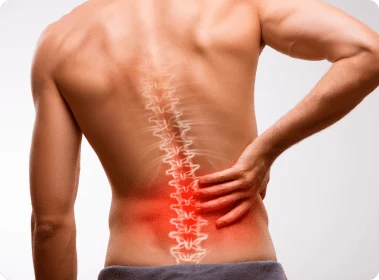
Lower back pain refers to discomfort arising from the lumbar spine, the area between the lower ribs and pelvis. The pain can range from a mild ache to severe symptoms that affect mobility and quality of life.
A variety of structures in the lower back can contribute to pain, including muscles, ligaments, joints, discs and nerves. Symptoms may develop suddenly after an injury or gradually over time due to age-related changes, repetitive strain or underlying spinal conditions.
What Are the Types of Lower Back Pain?
Lower back pain can be classified according to its duration, underlying mechanism and the structures involved. Understanding the different types can help guide assessment and treatment.
Acute Lower Back Pain
Pain lasting less than six weeks, often related to muscle strains, ligament injuries or sudden movements.Sub-Acute Lower Back Pain
Pain that persists between six and twelve weeks. Recovery may take longer and further evaluation may be needed if symptoms continue.Chronic Lower Back Pain
Pain lasting longer than twelve weeks. Chronic symptoms may be associated with degenerative conditions, nerve irritation or persistent mechanical issues.Mechanical Lower Back Pain
Pain arising from the muscles, joints, ligaments or discs of the spine. Symptoms often worsen with movement and improve with rest.Nerve-Related Lower Back Pain
Occurs when nerves become irritated or compressed, causing symptoms such as radiating leg pain, tingling, numbness or weakness.Referred Lower Back Pain
Pain that originates elsewhere in the body but is felt in the lower back, such as from the hips, pelvis or internal organs.What Causes Lower Back Pain?
There are numerous causes of lower back pain, and identifying the specific source is key to identifying effective treatment. Some of the most common causes include:
Muscle Strains and Ligament Sprains
Overstretching or tearing of muscles and ligaments due to heavy lifting, sudden movements or poor posture.Degenerative Disc Disease
Age-related wear and tear can lead to weakened discs, resulting in pain and stiffness.Arthritis
Osteoarthritis or inflammatory conditions like rheumatoid arthritis can cause lower back pain by affecting the joints in the spine.Scoliosis or Other Spinal Deformities
Abnormal spinal curvature can result in chronic pain.Infections or Tumors
Though rare, infections in the spine or cancerous growths can be underlying causes of persistent lower back pain.Herniated or Bulging Discs
Discs that cushion the vertebrae can bulge or rupture, pressing on nearby nerves and causing pain.Spinal Stenosis
Narrowing of the spinal canal, which can put pressure on the spinal cord and nerves, leading to pain and numbness.Sciatica
Compression or irritation of the sciatic nerve can lead to sharp, radiating pain that extends from the lower back to the legs.Osteoporosis
Weakened bones can lead to fractures in the spine, causing severe pain.What Are the Common Symptoms of Lower Back Pain?
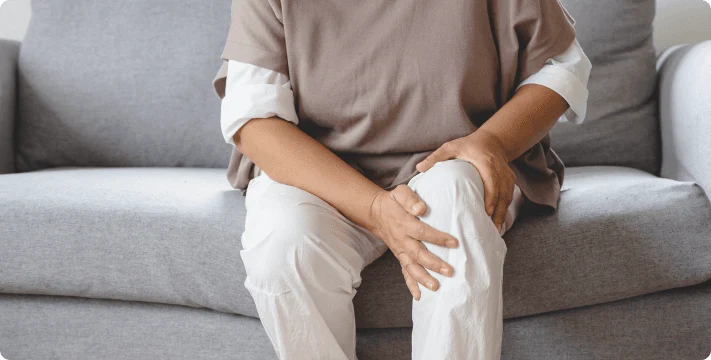
Lower back pain is often associated with additional symptoms, depending on the underlying cause. These may include:
Stiffness and reduced range of motion
Pain that worsens with movement, prolonged sitting, or standing
Radiating pain into the buttocks, hips, or legs (as seen in sciatica)
Muscle weakness or spasms
Numbness, tingling, or burning sensations in the legs
Difficulty standing upright or walking
In severe cases, loss of bladder or bowel control (which requires immediate medical attention)
What are the Risk Factors of Lower Back Pain?
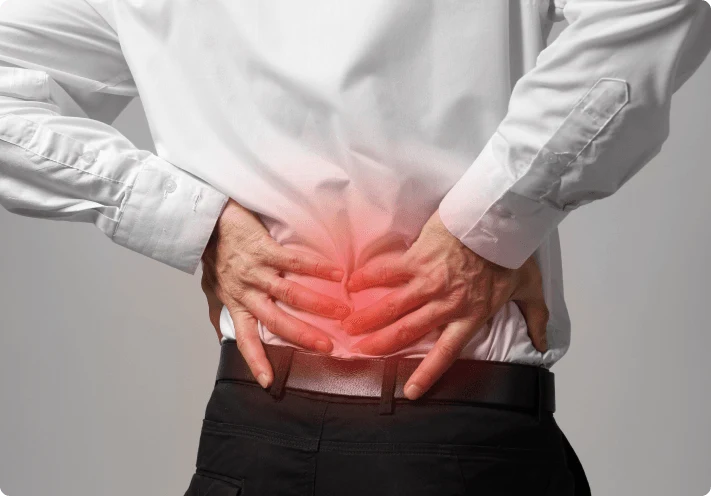
Lower back pain can affect anyone, but certain lifestyle, occupational and health-related factors may increase the likelihood of developing symptoms.
Age
The risk of degenerative conditions like osteoarthritis and disc disease increases with age.Sedentary Lifestyle
Lack of physical activity weakens core muscles that support the lower back.Obesity
Excess weight puts added stress on the spine and joints.Poor Posture
Sitting or standing incorrectly for prolonged periods can lead to muscle strain.Repetitive Movements
Jobs or activities involving heavy lifting, bending, or twisting increase the risk of injury.Smoking
Reduces blood flow to spinal tissues, increasing the risk of disc degeneration.Genetics
Family history of spinal conditions may predispose individuals to lower back pain.Stress and Mental Health
Anxiety and depression can amplify the perception of pain and contribute to muscle tension.How Is Lower Back Pain Diagnosed?
A doctor will use a combination of medical history, physical examination, and diagnostic tests to determine the cause of lower back pain. The diagnostic process may involve:
Medical History Assessment
Understanding the patient's symptoms, lifestyle, past injuries, and medical conditions.Physical Examination
Evaluating posture, range of motion, and identifying areas of tenderness or weakness.Imaging Tests
X-rays, MRI (Magnetic Resonance Imaging), or CT (Computed Tomography) scans provide detailed images of the spine and surrounding tissues.Nerve Studies
Electromyography (EMG) and nerve conduction studies can assess nerve function and detect nerve-related issues.Blood Tests
To rule out infections, inflammatory conditions, or metabolic disorders.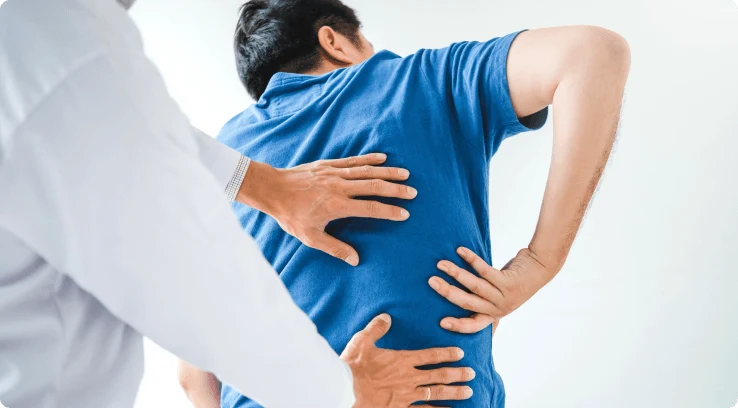
Relieving Lower Back Pain at Home
Although home management may not address every underlying cause, it can help reduce discomfort and support recovery in mild cases.
Exercise and Stretching
Gentle movement and stretching can help maintain flexibility and reduce stiffness. Activities such as walking, light stretching and exercises recommended by a healthcare professional may be beneficial.Posture
Maintaining good posture while sitting, standing and lifting can reduce strain on the lower back. Ergonomic workstations and regular movement breaks may also help.Diet
A balanced diet supports overall musculoskeletal health. Maintaining a healthy weight can reduce stress on the spine, while adequate hydration helps support the health of spinal discs.What Are the Treatments for Lower Back Pain in Singapore?
Treatment for lower back pain varies depending on the underlying cause, severity, and duration of symptoms. These include:
Conservative Treatments
For mild to moderate cases, initial treatment often includes:
Rest and Activity Modification - Avoiding activities that worsen pain while staying moderately active.
Physiotherapy - Strengthening and stretching exercises to improve flexibility, posture and core stability.
Medications - Over-the-counter pain relievers (NSAIDs like ibuprofen), muscle relaxants, or prescribed medications for more severe pain.
Heat and Cold Therapy - Applying heat to relax muscles or ice packs to reduce inflammation.
Posture and Ergonomic Adjustments - Using supportive chairs, maintaining good posture and modifying workspaces.
When Should You See a Lower Back Pain Specialist?
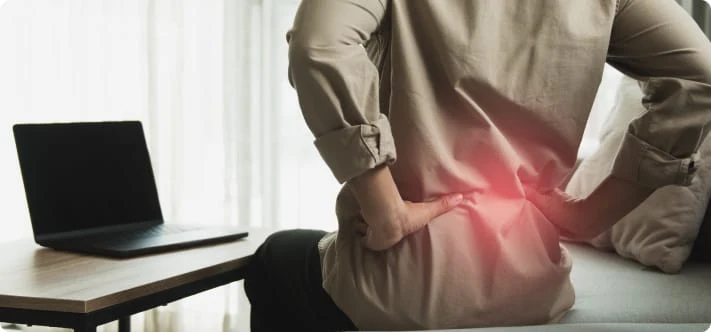
While mild lower back pain may resolve with self-care, certain symptoms will require medical evaluation:
Persistent pain lasting more than a few weeks
Severe pain that does not improve with rest
Pain radiating down the legs, especially below the knee
Weakness, numbness, or tingling in the legs
Difficulty controlling bladder or bowel function
Pain following a fall, injury, or trauma
Unexplained weight loss accompanying back pain
Recurring or chronic lower back pain
Back pain occurring together with neck, upper back, or widespread spine-related symptoms
GET IN TOUCH
Contact Us Today
For more information about our services, or to make an appointment, please reach out to us. We will get back to you as soon as possible.
Frequently Asked Questions (FAQs) About Lower Back Pain
Yes, stress and anxiety can lead to muscle tension, poor posture, and increased pain perception, all of which contribute to lower back pain.

Our Lower Back Pain Specialist in Singapore
Dr Thor Timothy
Consultant Pain Specialist & Anaesthesiologist
MBBS (S'pore), MMed (Anaesthesiology), FFPMANZCA (ANZCA, Australia/New Zealand), FIPP (USA), EDPM (Europe), FAM (S'pore)
MBBS (S'pore), MMed (Anaesthesiology), FFPMANZCA (ANZCA, Australia/New Zealand), FIPP (USA), EDPM (Europe), FAM (S'pore)
Accreditations & Qualifications:
Bachelor of Medicine, Bachelor of Surgery (Singapore)
Master of Medicine in Anaesthesiology (Singapore)
Fellow of the Faculty of Pain Medicine, Australian & New Zealand College of Anaesthetists
Fellow of Interventional Pain Practice (USA)
European Diploma in Pain Medicine
Fellow of the Academy of Medicine, Singapore
Dr Thor Timothy is a consultant anaesthesiologist and pain specialist in Singapore with nearly 20 years of medical experience, including over a decade in pain medicine. Formerly the Director of Acute Pain Services at Singapore General Hospital, He specialises in managing and treating lower back pain with treatment plans designed to provide relief and restore mobility. He holds multiple international pain medicine qualifications and is dedicated to delivering compassionate, multidisciplinary care tailored to each patient's needs.