

Conditions
Knee Pain Treatment in Singapore
Overview
What is Knee Pain? What are the Signs and Symptoms of Knee Pain? What Causes Knee Pain? What are the Types of Knee Pain? What are the Risk Factors of Knee Pain? How is the Cause of Knee Pain Diagnosed? Knee Pain Treatment Options in Singapore When is Surgery Considered for Knee Pain? What to Expect at a Knee Pain Clinic in Singapore Can Knee Pain Be Prevented? When Should You Seek Knee Pain Treatment in Singapore?

Dr Thor Timothy
Consultant Pain Specialist & Anaesthesiologist
MBBS (S'pore), MMed (Anaesthesiology), FFPMANZCA (ANZCA, Australia/New Zealand), EDPM (Europe),FAM (S'pore)
Knee pain is a common problem that can affect people of all ages and activity levels. It may develop suddenly after an injury or gradually over time due to wear and tear, repetitive strain or underlying medical conditions. Depending on the cause, symptoms may include aching, swelling, stiffness, instability or difficulty moving the joint.
While some cases improve with rest and conservative care, persistent symptoms, worsening mobility or pain that interferes with daily activities should be assessed by a healthcare professional.
What Is Knee Pain?
Knee pain refers to discomfort arising from structures within or around the knee joint, including the bones, cartilage, ligaments, tendons and surrounding soft tissues. It can range from mild and occasional to severe enough to affect walking, exercise, work and daily activities.
As one of the body's largest weight-bearing joints, the knee is exposed to significant stress during everyday movement. Pain may develop due to injury, overuse, age-related degeneration, inflammatory conditions or mechanical problems affecting the joint. Although knee pain is often associated with sports injuries, it can occur in individuals of all ages, including those who are not physically active.
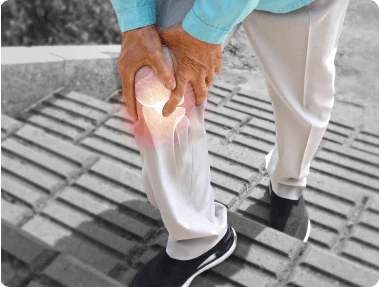
What are the Signs and Symptoms of Knee Pain?
In addition to pain, knee pain is often accompanied by various other symptoms. These can provide additional clues to the underlying cause of the issue. These include:
Pain or Aching Around the Knee
Pain may be felt at the front, sides, back or throughout the knee. It may occur during activity, after prolonged sitting or even at rest depending on the underlying condition.Swelling
Swelling may develop after an injury or as a result of inflammation within the joint. It can occur suddenly or gradually and may make movement more difficult.Stiffness
A feeling of tightness or an inability to fully extend or bend the knee may accompany knee pain, especially in cases of arthritis.Instability
A sensation that the knee may buckle, give way or feel unreliable can occur when ligaments, cartilage or other stabilising structures are affected.Popping or Clicking Sounds
Clicking, popping or grinding sensations may occur during movement. While these sounds are not always a cause for concern, they can sometimes be associated with cartilage wear, meniscus injuries or ligament problems.Redness or Warmth
A knee that appears red or feels warm may suggest inflammation, infection, gout or another underlying medical condition that requires assessment.Reduced Range of Motion
Pain, swelling or mechanical problems within the joint can make it difficult to fully bend or straighten the knee.Pain at Night or During Rest
Knee pain that persists while resting or disrupts sleep may indicate ongoing inflammation or a more significant underlying condition and should be evaluated if symptoms continue.What Causes Knee Pain?
Knee pain can result from a wide variety of causes, including injuries, overuse, or medical conditions. Some of the common causes of knee pain are:
Osteoarthritis
The most common cause of knee pain, especially in older adults, osteoarthritis occurs when the cartilage that cushions the knee joint wears down, leading to pain, swelling, and stiffness.Meniscal Tears
The meniscus is a cartilage that acts as a shock absorber in the knee. Tears in the meniscus are common, especially among athletes and older individuals, causing pain, swelling, and limited movement.Bursitis
Inflammation of the fluid-filled sacs (bursae) around the knee can cause pain, swelling, and difficulty with movement. Bursitis is often caused by repetitive movement or prolonged pressure on the knee.Ligament Injuries
Injuries to the knee's ligaments, including the anterior cruciate ligament (ACL), posterior cruciate ligament (PCL), or medial collateral ligament (MCL), can cause significant pain, instability, and difficulty moving the knee.Patellar Tendinitis
Also known as jumper's knee, this condition involves inflammation of the tendon connecting the kneecap to the shinbone. It is common in athletes who participate in sports that require frequent jumping or running.Fractures
Broken bones, including those in the kneecap or surrounding bones, can lead to sudden and severe knee pain.What Are The Types Of Knee Pain?
Knee pain can vary greatly depending on the type of issue or condition affecting the joint. Some of the most common types of knee pain include:
1.
Anterior Knee Pain
This type of pain is felt in the front of the knee, typically around the kneecap (patella). It can be caused by patellar tendinitis, patellofemoral pain syndrome, or overuse injuries.2.
Medial Knee Pain
Pain on the inner side of the knee may indicate problems with the medial meniscus or other soft tissues that stabilize the knee. This type of pain is common in individuals who engage in sports requiring pivoting.3.
Lateral Knee Pain
Pain on the outside of the knee may be linked to issues with the iliotibial band (ITB), a thick band of tissue that runs down the outside of the leg, or ligament injuries.4.
Posterior Knee Pain
Pain felt at the back of the knee can be caused by issues such as a Baker's cyst or problems with the hamstrings or ligaments.5.
Generalized Knee Pain
This pain affects the entire knee joint and may be associated with conditions like osteoarthritis, rheumatoid arthritis, or general wear and tear.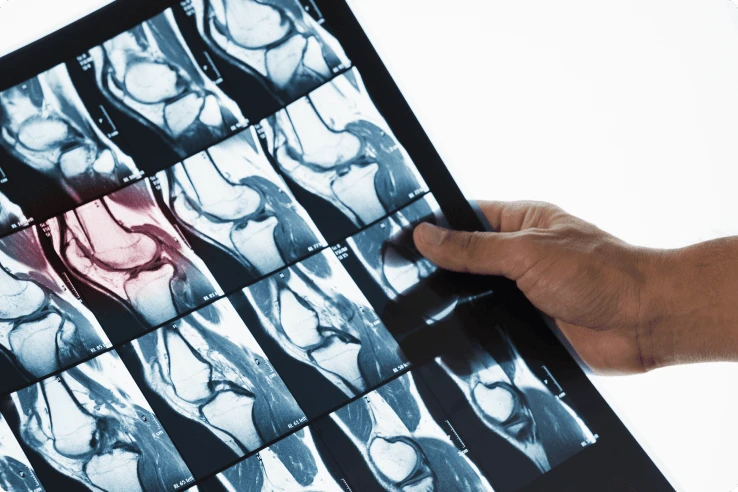
What are the Risk Factors of Knee Pain?
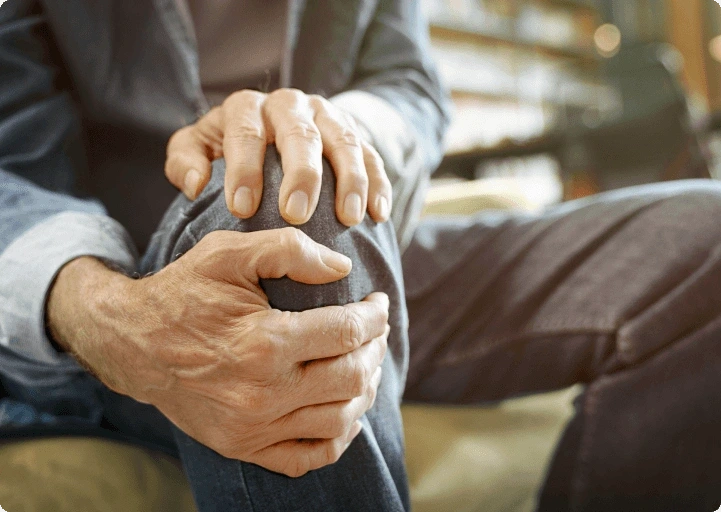
There are several risk factors that can increase the likelihood of experiencing knee pain. These include:
Age
As individuals age, the risk of developing conditions like osteoarthritis increases, leading to knee pain.Obesity
Carrying excess weight puts additional stress on the knee joints, increasing the risk of knee pain, particularly in the form of osteoarthritis.Gender
Women are more likely to develop knee pain, particularly conditions like patellofemoral pain syndrome and osteoarthritis, possibly due to differences in anatomy and hormones.Activity Level
High-impact activities, such as running, jumping, and sports with frequent pivoting, can increase the risk of knee injuries and pain.Previous Injuries
Individuals who have had knee injuries in the past, such as ligament tears or fractures, are more likely to experience knee pain later in life.Genetics
Certain genetic factors can increase the risk of knee pain, especially when it comes to conditions like osteoarthritis.How is the Cause of Knee Pain Diagnosed?
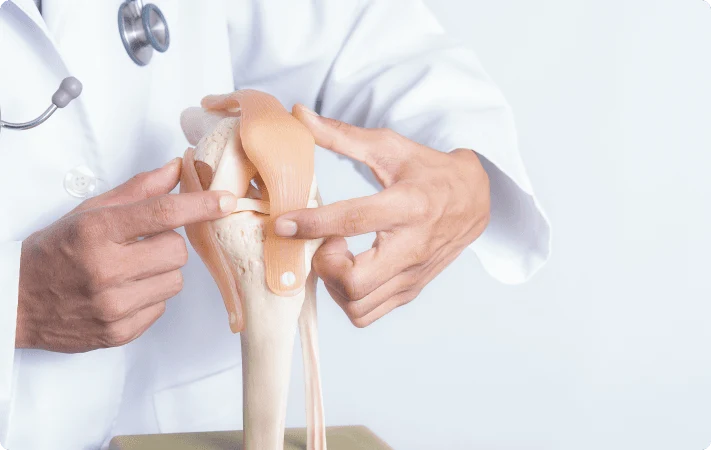
To determine the cause of knee pain, a doctor will perform a combination of physical exams and diagnostic tests. These may include:
Your doctor will discuss your symptoms, when they started, activities that aggravate the pain, previous injuries and your medical history. This information helps narrow down possible causes.
Knee Pain Treatment Options in Singapore
Treatment for knee pain depends on its severity and the underlying cause. Common methods include:
Conservative Treatments
Rest and Activity Modification - Avoiding activities that worsen pain while staying active with low-impact exercises.
Physiotherapy - Strengthening exercises, stretching, and gait training to improve mobility and stability.
Medications - NSAIDs (ibuprofen, naproxen) for pain relief, or prescription medications for severe cases.
Hot and Cold Therapy - Ice packs reduce swelling, while heat therapy relaxes muscles and improves circulation.
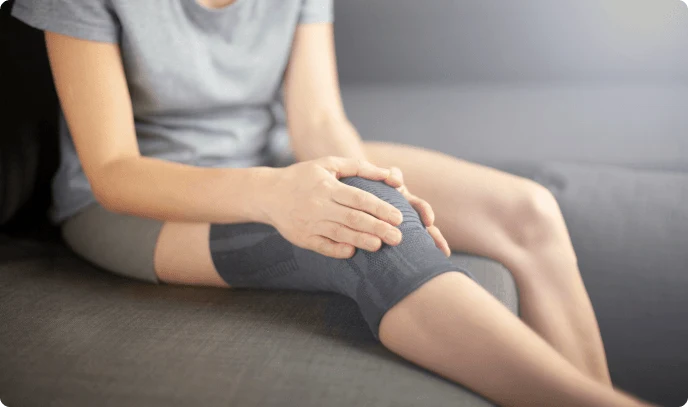
Bracing and Support - Knee braces or orthotic supports help stabilize the joint and reduce strain.
When is Surgery Considered for Knee Pain?
Surgery is not required for most cases of knee pain and is generally considered only when conservative treatment has not provided sufficient relief or when significant structural damage is present.
Depending on the underlying condition, surgery may be recommended for severe arthritis, complex ligament injuries, unstable fractures or persistent symptoms that continue to limit mobility and quality of life.
What to Expect at a Knee Pain Clinic in Singapore
Symptom Review
Your consultation begins with a discussion of your symptoms, medical history and how knee pain is affecting your daily activities.Physical Assessment
A physical examination is performed to assess movement, strength, stability and areas of tenderness.Diagnostic Planning
If required, imaging studies or additional tests may be arranged to identify the underlying cause of your symptoms.Treatment Recommendation
Based on the findings, a personalised treatment plan will be discussed. This may include physiotherapy, medication, injections or other pain management options.Follow-Up Care
Follow-up appointments allow your progress to be monitored and treatment to be adjusted when necessary.Can Knee Pain Be Prevented?
While not all knee pain can be prevented, there are several steps you can take to reduce the risk:
Stay Active
Regular exercise helps maintain strength and flexibility in the muscles surrounding the knee.Maintain a Healthy Weight
Reducing excess weight lessens the pressure on your knees.Use Proper Techniques
When exercising or engaging in sports, use proper techniques to minimize strain on the knees.Wear Proper Footwear
Choose shoes that offer adequate support and cushioning, especially when engaging in physical activities.Warm-Up and Stretch
Always warm up before exercise and stretch to improve flexibility and reduce the risk of injury.When Should You Seek Knee Pain Treatment in Singapore?
If knee pain is persistent, severe, or accompanied by other symptoms such as swelling, instability, or difficulty moving the joint, you should seek medical attention. Additionally, if you experience knee pain after an injury or trauma, it is recommended to see a doctor for a thorough evaluation and treatment plan.

GET IN TOUCH
Contact Us Today
For more information about our services, or to make an appointment, please reach out to us. We will get back to you as soon as possible.
Frequently Asked Questions (FAQs) About Knee Pain Treatment
In some cases, mild knee pain may resolve with rest and conservative measures, but chronic or severe pain usually requires medical attention.

Our Knee Pain Specialist in Singapore
Dr Thor Timothy
Consultant Pain Specialist & Anaesthesiologist
MBBS (S'pore), MMed (Anaesthesiology), FFPMANZCA (ANZCA, Australia/New Zealand), FIPP (USA), EDPM (Europe), FAM (S'pore)
MBBS (S'pore), MMed (Anaesthesiology), FFPMANZCA (ANZCA, Australia/New Zealand), FIPP (USA), EDPM (Europe), FAM (S'pore)
Accreditations & Qualifications:
Bachelor of Medicine, Bachelor of Surgery (Singapore)
Master of Medicine in Anaesthesiology (Singapore)
Fellow of the Faculty of Pain Medicine, Australian & New Zealand College of Anaesthetists
Fellow of Interventional Pain Practice (USA)
European Diploma in Pain Medicine
Fellow of the Academy of Medicine, Singapore
Dr Thor Timothy is a consultant anaesthesiologist and pain specialist in Singapore with nearly 20 years of medical experience, including over a decade in pain medicine. Formerly the Director of Acute Pain Services at Singapore General Hospital, his work in knee pain treatment includes managing complex joint and nerve-related conditions through methods centred on relieving pain, enhancing joint stability, and improving overall mobility. He holds multiple international pain medicine qualifications and is dedicated to delivering compassionate, multidisciplinary care tailored to each patient's needs.