


Dr Thor Timothy
MBBS (Singapore), M.Med (Anaesthesiology), FIPP (USA), FFPMANZCA (Australia and New Zealand), EDPM (Europe)
Have you started noticing knee pain during everyday activities that once felt effortless? Maybe the knee only hurts after a workout, during a long walk or when climbing the stairs after a tiring day. But as the discomfort starts appearing more often, even simple movements can begin to feel less natural than before.
Despite these changes, many people hesitate to seek medical attention because they are unsure what a consultation will involve. Questions about whether scans are necessary, what treatment options exist or if surgery will be recommended can make the process feel intimidating. Understanding what happens during a visit to a knee pain clinic can help reduce uncertainty and make the first appointment feel far more approachable.
Why People Visit a Knee Pain Clinic
Knee pain can develop for many reasons. Some conditions arise gradually through wear and repetitive strain, while others occur after a sudden injury or awkward movement. In many cases, symptoms may overlap, making it difficult to identify the exact cause without a proper assessment.
Common reasons people seek medical attention for knee pain include:
- Persistent pain during walking, climbing stairs or exercise
- Swelling around the knee joint
- Stiffness or reduced range of motion
- Clicking, locking or catching sensations
- Instability or the feeling that the knee may "give way"
- Pain following a sports injury or fall
- Difficulty returning to normal activities
While mild soreness sometimes improves with rest, persistent or worsening symptoms may indicate an underlying issue that requires further evaluation.
What Happens During Your First Consultation?
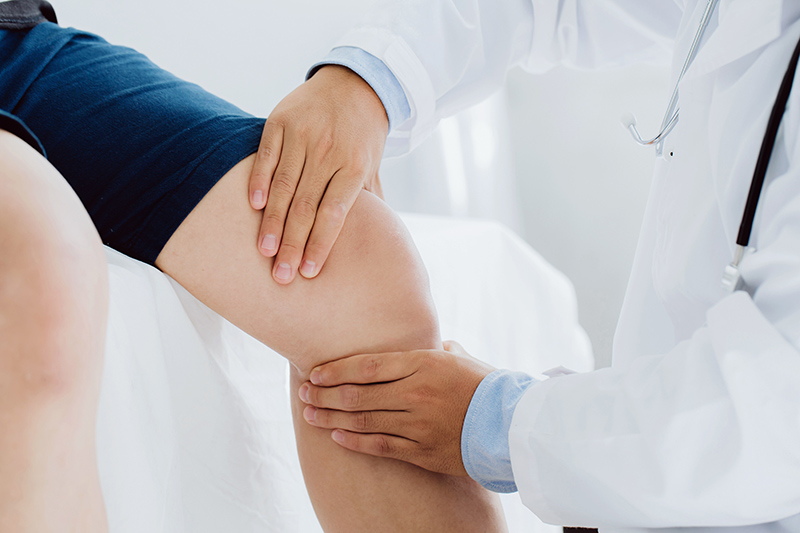
A first visit to a knee pain centre is usually focused on understanding your symptoms, identifying possible causes and discussing appropriate next steps. The consultation is designed to gather a detailed picture of how the pain developed and how it is affecting daily life.
Discussion About Your Symptoms and Medical History
The appointment typically begins with a conversation about your symptoms. The doctor may ask when the pain started, whether it developed suddenly or gradually and which activities make it worse.
You may also be asked about:
- Previous knee injuries or surgeries
- Sports or exercise habits
- Work activities that place strain on the knees
- Swelling, instability or locking symptoms
- Existing medical conditions such as arthritis
This discussion helps narrow down possible causes and guides the physical examination.
Physical Examination of the Knee
A physical examination allows the specialist to assess how the knee moves and functions. This may include checking for swelling, tenderness, joint stability and range of motion.
The doctor may gently move the knee in different directions or ask you to perform simple movements such as walking, bending or standing from a seated position. These tests help identify whether structures such as cartilage, ligaments, tendons or the kneecap may be involved.
Imaging and Diagnostic Tests
Not every patient requires scans immediately. In some cases, the diagnosis can be made through history-taking and physical examination alone. However, imaging may be recommended if further clarity is needed.
Common investigations include:
- X-rays to assess bone alignment and arthritis changes
- MRI scans to evaluate ligaments, cartilage and soft tissues
- Ultrasound imaging for certain tendon or fluid-related conditions
These tests help confirm the diagnosis and guide treatment planning more accurately.
Common Knee Conditions Diagnosed at Specialist Clinics
Knee pain can arise from a wide range of conditions, affecting people of different ages and activity levels. Some problems develop gradually through wear and repetitive strain, while others occur suddenly after injury or trauma. Because symptoms often overlap, a proper assessment is important in identifying the underlying cause accurately.
Osteoarthritis
Osteoarthritis is one of the most frequently seen causes of knee pain, particularly among older adults. It develops when the protective cartilage within the knee joint gradually deteriorates over time. As the cushioning becomes thinner, movement within the joint can become less smooth, leading to pain, stiffness and swelling that may worsen with activity.
Ligament Injuries
The knee relies on several ligaments for stability and support during movement. Injuries involving structures such as the ACL, PCL or MCL commonly occur during sports, sudden twisting movements or falls. These injuries may cause pain, swelling, instability and difficulty bearing weight on the affected leg.
Meniscus Tears
The meniscus is a layer of cartilage that helps absorb impact within the knee joint. Tears can occur from sudden twisting injuries or gradual degeneration associated with ageing. Individuals with a meniscus injury may experience joint line pain, swelling, stiffness or sensations of locking and catching within the knee.
Patellar Tendinitis
Often referred to as jumper's knee, patellar tendinitis involves irritation and inflammation of the tendon connecting the kneecap to the shinbone. It is frequently seen in individuals involved in running, jumping or high-impact sports where repeated stress is placed on the knee.
Knee Bursitis
Small fluid-filled sacs known as bursae help reduce friction around the knee joint. When these structures become inflamed, bursitis can develop, resulting in swelling, tenderness and discomfort during movement. Repetitive kneeling, prolonged pressure or overuse commonly contribute to this condition.
Fractures Around the Knee
Fractures involving the kneecap or surrounding bones can cause sudden and severe knee pain, often following a fall, accident or direct impact. Symptoms may include swelling, bruising and difficulty moving or bearing weight on the knee.
Taking the First Step Towards Better Knee Health
Knee pain can gradually affect mobility, exercise and everyday comfort, particularly when symptoms are left unaddressed. Seeking specialist assessment early allows for a clearer understanding of the underlying issue and helps guide more targeted treatment before symptoms progress further.
At our pain specialist clinic in Singapore, individuals experiencing persistent knee pain or reduced mobility undergo a detailed clinical assessment to better understand their symptoms and condition. Care is provided by Dr Thor Timothy, and tailored to each patient based on the underlying cause of their discomfort. Schedule a consultation today to better understand what may be causing your symptoms and explore the right way forward for your recovery.

Meet Our Pain Specialist in Singapore
Dr Thor Timothy, Anuntapon Chutatape
Dr Thor Timothy, Anuntapon Chutatape is an anaesthesiologist and pain specialist dedicated to helping patients find relief from acute and chronic pain without surgery. He was previously the Director of Acute Pain Services at Singapore General Hospital and has received advanced training in interventional pain medicine internationally. Dr Thor is a Fellow of Interventional Pain Practice (FIPP, USA), a Fellow of the Faculty of Pain Medicine of the Australian and New Zealand College of Anaesthetists (FFPMANZCA) and a Fellow of the Academy of Medicine Singapore (FAMS). He also holds the European Diploma of Pain Management (EDPM).


