
Dr Thor Timothy
Consultant Pain Specialist & Anaesthesiologist
MBBS (NUS, Singapore), M.Med (Anaesthesiology) (NUS, Singapore), FFPMANZCA (ANZCA, Australia/New Zealand), FIPP (USA), EDPM (Europe), FAM (S’pore)
Have you ever felt pain in one part of your body, only to discover the problem was actually somewhere else? This is known as referred pain, where discomfort is felt away from its true source. Because the pain does not occur where the underlying problem is located, it can sometimes be difficult to pinpoint the cause.
Understanding how referred pain works highlights the importance of an accurate diagnosis. Treating the underlying source rather than just the painful area allows for more appropriate pain management and longer-lasting relief.
Why Pain Is Not Always Felt at the Source
Referred pain occurs when the brain interprets pain signals as coming from a different part of the body than where they actually originate. This happens because nerves from different areas of the body may converge and share common pathways before transmitting signals to the brain.
As a result, the brain may struggle to distinguish the exact source of the pain, causing discomfort to be felt in another location. For example, a problem affecting the neck may cause pain in the shoulder or arm, while irritation in the lower back may lead to pain travelling into the buttock or leg.
Common Examples of Referred Pain

Referred pain can affect different parts of the body depending on the nerves and structures involved. While the pattern varies between individuals, several presentations are commonly seen.
Neck Pain Affecting the Shoulders or Arms
Conditions involving the cervical spine may cause pain to radiate into the shoulders, upper back or arms. Depending on the underlying condition, some individuals may also experience numbness, tingling or weakness.
Lower Back Pain Travelling Down the Leg
Lower back conditions may produce pain that extends into the buttock, thigh or leg when nearby nerves become irritated or compressed. Although this is commonly associated with sciatica, other spinal conditions may produce similar symptoms.
Hip Problems Causing Groin or Knee Pain
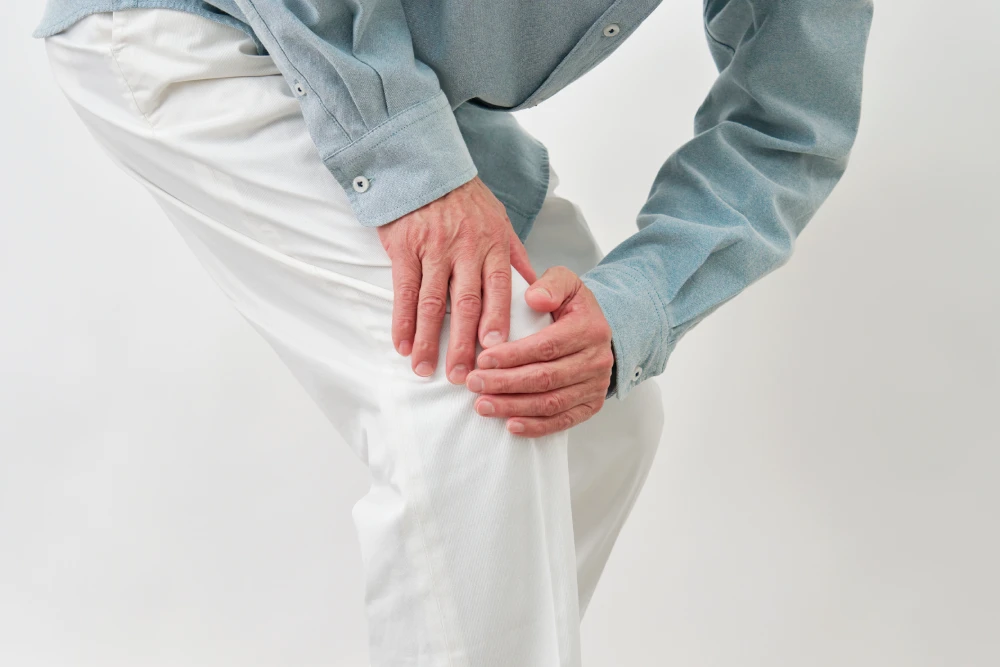
Pain originating from the hip joint is not always felt directly over the hip itself. Some people experience discomfort in the groin, thigh or even the knee, making the underlying source less obvious.
Shoulder Conditions Causing Upper Arm Pain
Problems affecting the shoulder joint or surrounding tendons may present as pain further down the upper arm. This can sometimes lead individuals to believe the arm itself is injured when the shoulder is the primary source of the problem.
The Importance of Accurate Diagnosis in Pain Management
A thorough assessment helps determine where referred pain is originating, allowing treatment to target the underlying condition rather than the area where pain is felt.
Assessment typically includes a discussion about your symptoms, medical history and any previous injuries, followed by a physical examination to assess movement, strength, sensation and areas of tenderness. Depending on the findings, further investigations may be recommended, including:
- X-rays to assess bones and joint alignment
- MRI scans to evaluate nerves, discs and other soft tissues
- CT scans in selected situations requiring more detailed imaging
- Ultrasound for certain muscle, tendon or joint conditions
Treatment and Pain Management Strategies for Referred Pain
Once the underlying cause has been identified, a personalised treatment plan can be developed to reduce symptoms, improve function and support recovery.
Management may include:
Medication
Anti-inflammatory medication or other pain-relieving medicines may help reduce discomfort and improve day-to-day function where appropriate.
Physiotherapy
Targeted exercises, stretching programmes and movement retraining can improve strength, flexibility and posture while addressing the underlying mechanical cause of pain.
Trigger Point Injections
When referred pain is caused by myofascial trigger points, trigger point injections may be recommended to relax tight muscles, relieve pain and improve movement. These injections target the affected muscle rather than the area where pain is felt, helping to address the source of the symptoms.
Other Interventional Pain Procedures
Depending on the underlying diagnosis, selected patients may benefit from minimally invasive pain procedures such as nerve blocks, radiofrequency treatment or regenerative therapy. These treatments target the underlying source of pain and may be considered when conservative measures have not provided sufficient relief.
Getting to the Root Cause of Your Pain with Dr Thor Timothy
Referred pain can make it difficult to recognise where the underlying problem is, particularly when discomfort is felt away from its true source. Rather than focusing solely on the area where pain occurs, understanding what is causing the symptoms is essential for appropriate treatment and longer-term pain relief.
At our pain specialist clinic in Singapore, individuals experiencing persistent pain undergo a comprehensive assessment under the care of Dr Thor Timothy. Treatment is tailored to each patient's condition and treatment goals to support effective pain management and recovery. Schedule a consultation to begin your journey towards better pain management and improved quality of life.
Frequently Asked Questions (FAQs) About Referred Pain

Meet Our Pain Specialist in Singapore
Dr Thor Timothy, Anuntapon Chutatape
Dr Thor Timothy, Anuntapon Chutatape is an anaesthesiologist and pain specialist dedicated to helping patients find relief from acute and chronic pain without surgery. He was previously the Director of Acute Pain Services at Singapore General Hospital and has received advanced training in interventional pain medicine internationally. Dr Thor is a Fellow of Interventional Pain Practice (FIPP, USA), a Fellow of the Faculty of Pain Medicine of the Australian and New Zealand College of Anaesthetists (FFPMANZCA) and a Fellow of the Academy of Medicine Singapore (FAMS). He also holds the European Diploma of Pain Management (EDPM).


