
Dr Thor Timothy
Consultant Pain Specialist & Anaesthesiologist
MBBS (NUS, Singapore), M.Med (Anaesthesiology) (NUS, Singapore), FFPMANZCA (ANZCA, Australia/New Zealand), FIPP (USA), EDPM (Europe), FAM (S’pore)
Living with chronic pain can be physically exhausting and emotionally draining. For some patients, conventional treatments such as medications, physiotherapy and lifestyle modifications may not provide sufficient relief. In these cases, interventional pain management techniques may offer another pathway towards improving comfort and quality of life.
One such treatment is a sympathetic nerve block (SNB), a targeted procedure offered in Singapore that may help reduce certain types of chronic pain by interrupting pain signals transmitted through the sympathetic nervous system. To understand how this treatment works and may help with your own chronic pain, it is important to first learn the role the sympathetic nervous system plays in chronic pain.
How the Sympathetic Nervous System Affects Chronic Pain
The nervous system is responsible for transmitting information between the body and the brain. One component of this system is the sympathetic nervous system, which regulates many automatic functions such as heart rate, blood pressure, blood vessel constriction and the body’s “fight-or-flight” response to stress.
Under normal circumstances, the sympathetic nervous system helps protect the body during stressful or dangerous situations. However, in some chronic pain conditions, these nerves may become overactive or continue sending signals long after an injury has healed.
In certain pain disorders, the sympathetic nervous system can contribute to ongoing pain by increasing inflammation, altering blood flow and amplifying pain signals. This phenomenon is often referred to as sympathetically maintained pain, where the nervous system itself becomes part of the problem rather than simply responding to it.
This may occur in conditions such as complex regional pain syndrome (CRPS), certain forms of neuropathic pain, post-surgical nerve pain and vascular pain syndromes like peripheral vascular disease. Patients may experience symptoms such as burning pain, temperature changes, skin sensitivity, swelling or colour changes in the affected area.
By identifying when the sympathetic nervous system is contributing to pain, pain specialists can consider targeted treatments that address this underlying mechanism.

How Can a Sympathetic Nerve Block Help Relieve Chronic Pain?
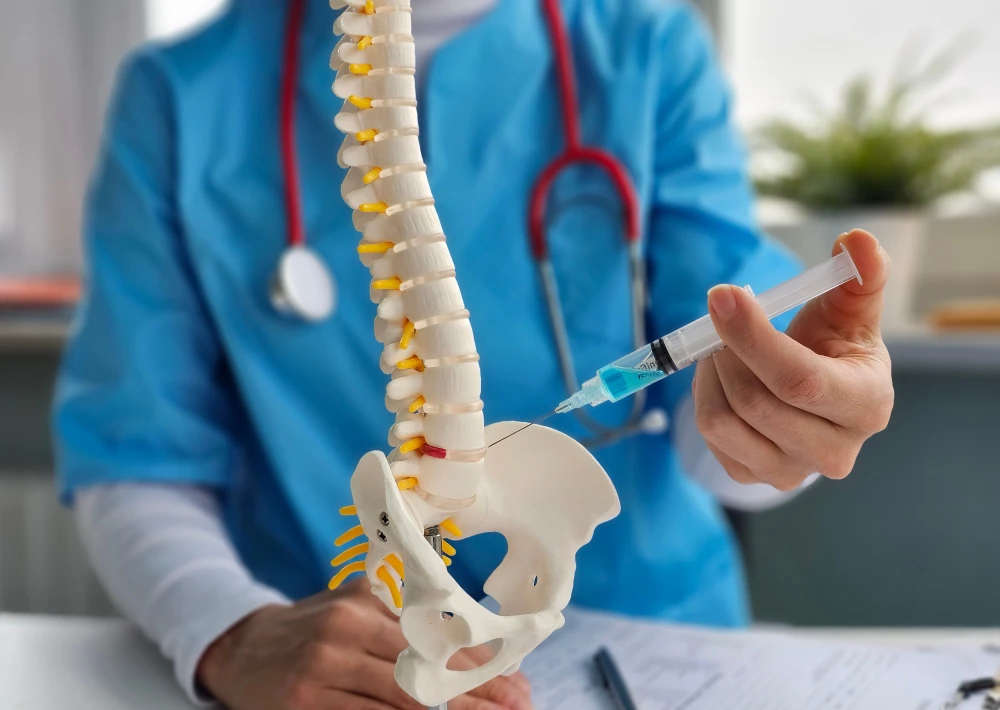
A sympathetic nerve block is a minimally invasive procedure that involves injecting local anaesthetic medication around specific sympathetic nerves. It can interrupt and “block” the transmission of pain signals and reduce abnormal nerve activity that may perpetuate chronic pain.
The location of the injection depends on the area of the body being affected. Pain in the upper body may be treated with a stellate ganglion block located at the base of the neck, while pain affecting the lower limbs may require a lumbar sympathetic block injected into the lower back.
Conditions That May Benefit From a Sympathetic Nerve Block
The sympathetic nervous system is intricately related to acute and chronic pain conditions that a sympathetic nerve block may help alleviate. These include:
- Complex Regional Pain Syndrome (CRPS)
- Severe Raynaud’s Syndrome
- Ischemic Pain
- Phantom Limb Pain
Potential Benefits of a Sympathetic Nerve Block
By temporarily reducing activity in the targeted sympathetic nerves experiencing pain, the procedure may help:
- Reduce pain intensity
- Improve blood circulation to the affected area
- Decrease nerve hypersensitivity
- Improve mobility and physical function
- Facilitate participation in rehabilitation therapies
The Importance of a Patient-Focused Approach in Chronic Pain Management
Chronic pain can affect emotional well-being, sleep quality, daily function, work performance and relationships in addition to physical health. As such, effective pain management often involves more than a single procedure or medication.
A patient-focused approach aims to identify the underlying cause of pain while considering how symptoms affect each individual’s daily life and treatment goals. Depending on the diagnosis, management may combine medication, physiotherapy, rehabilitation, lifestyle modifications, interventional pain procedures and ongoing monitoring.
For some patients with persistent nerve-related pain, a sympathetic nerve block may be recommended as part of a broader treatment plan. In addition to providing pain relief, the procedure can help determine whether the sympathetic nervous system is contributing to a patient’s symptoms, allowing treatment to be tailored more effectively.
While some patients experience meaningful relief after one injection, others may benefit from a series of treatments. Reduced pain can also create an opportunity to participate more effectively in physiotherapy, exercise and rehabilitation, supporting long-term recovery.
Explore Chronic Pain Treatment Options with Dr Thor Timothy
Chronic pain can be complex, particularly when the sympathetic nervous system plays a role in maintaining or amplifying pain signals. For selected patients, sympathetic nerve block treatment may help reduce pain, improve function and support participation in a broader rehabilitation plan.
At our pain specialist clinic, chronic pain management is approached with the understanding that every patient’s experience is unique. Our experienced specialist Dr Thor Timothy has close to 20 years of medical experience, internationally recognised Pain Medicine qualifications, and a commitment to treating the physical, mental and emotional impact of chronic pain. You can work with Dr Thor to better understand the underlying causes of your symptoms and develop a personalised treatment plan tailored to your unique medical needs. If you are experiencing chronic pain, book a consultation with our pain specialist to discuss whether a sympathetic nerve block or other treatment options are suitable for their condition.
Frequently Asked Questions (FAQs) About Sympathetic Nerve Blocks for Chronic Pain

Meet Our Pain Specialist in Singapore
Dr Thor Timothy, Anuntapon Chutatape
Dr Thor Timothy, Anuntapon Chutatape is an anaesthesiologist and pain specialist dedicated to helping patients find relief from acute and chronic pain without surgery. He was previously the Director of Acute Pain Services at Singapore General Hospital and has received advanced training in interventional pain medicine internationally. Dr Thor is a Fellow of Interventional Pain Practice (FIPP, USA), a Fellow of the Faculty of Pain Medicine of the Australian and New Zealand College of Anaesthetists (FFPMANZCA) and a Fellow of the Academy of Medicine Singapore (FAMS). He also holds the European Diploma of Pain Management (EDPM).


