

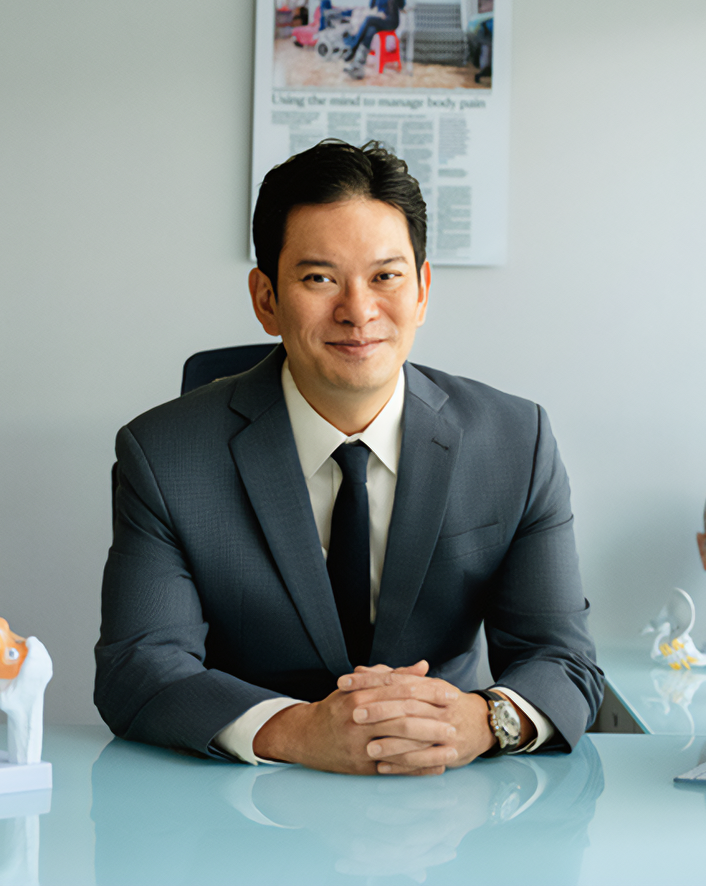
Dr Thor Timothy
Consultant Pain Specialist & Anaesthesiologist
MBBS (NUS, Singapore), M.Med (Anaesthesiology) (NUS, Singapore), FFPMANZCA (ANZCA, Australia/New Zealand), FIPP (USA), EDPM (Europe), FAM (S’pore)
Persistent back pain can make everyday activities such as sitting, driving or bending increasingly difficult. While many cases improve with rest, physiotherapy or medication, some people continue to experience pain because of problems affecting the spinal discs. When conservative treatments have not provided sufficient relief, minimally invasive procedures such as nucleoplasty may be considered for selected patients.
Understanding how nucleoplasty works and when it may be appropriate can help you discuss your treatment options with a pain specialist.
Understanding the Cause of Chronic Back Pain
Chronic back pain is pain that persists for more than three months and can have many possible causes. In some people, the source of the pain lies within the intervertebral discs, which act as cushions between the bones of the spine.
Over time, ageing, repetitive strain or injury can cause these discs to degenerate or bulge. When this places pressure on nearby nerves, it may lead to persistent back pain, sometimes accompanied by pain that radiates into the buttock or leg.
What Is Nucleoplasty?
Nucleoplasty is a minimally invasive procedure used to treat selected cases of disc-related back pain. It works by removing a small amount of disc material from the centre of the affected disc using specialised technology.
Reducing the volume of the disc helps lower the pressure within it, which may relieve pressure on nearby nerves and reduce pain. The procedure is performed through a small needle rather than a large surgical incision, resulting in minimal disruption to the surrounding tissues.
How Nucleoplasty Targets Disc-Related Pain
Unlike treatments that focus only on relieving symptoms, nucleoplasty aims to address one of the underlying sources of pain in carefully selected patients.
By reducing pressure within the affected disc, the procedure may:
- Relieve pressure on nearby nerves
- Reduce pain radiating into the buttock or leg
- Improve comfort during daily activities
- Support participation in rehabilitation and physiotherapy
- Delay or avoid more invasive surgery in suitable cases
As the procedure targets a specific source of pain, careful patient selection is important to achieving the best possible outcome.
When May Nucleoplasty Be Considered?

Nucleoplasty may be considered when conservative treatment has not provided adequate symptom relief and investigations suggest that a contained disc problem is contributing to your pain.
Your pain specialist may recommend further assessment if you have:
- Persistent lower back pain lasting several months
- Pain that radiates into the buttock or leg
- Symptoms that continue despite medication or physiotherapy
- MRI findings showing a suitably contained disc protrusion
- Ongoing pain affecting work, mobility or daily activities
The procedure is generally considered only after a thorough clinical assessment and review of your imaging findings to determine whether it is appropriate for your condition.
What Happens During the Procedure?
Nucleoplasty is usually performed as a minimally invasive day procedure under image guidance. After the skin is numbed with local anaesthetic, a fine needle is carefully guided into the affected disc using imaging for accuracy. A specialised device is then used to remove a small amount of disc material, reducing pressure within the disc while preserving the surrounding structures.
Because only a small puncture is required, recovery is generally quicker than with open spinal surgery. Your doctor will advise when you can gradually resume your usual daily activities based on your individual recovery.
A More Targeted Approach to Chronic Back Pain
Not every case of chronic back pain requires surgery, and not every patient with disc-related pain is suitable for nucleoplasty. Determining the source of your symptoms is an important first step in identifying the most appropriate treatment.
At our pain specialist clinic in Singapore, patients with persistent lower back pain undergo a detailed evaluation to understand the cause of their symptoms. Under the care of Dr Thor Timothy, each patient receives an individualised treatment plan tailored to their diagnosis, functional needs and treatment goals. Arrange a consultation and explore the most appropriate non-surgical treatment options for your condition.
Frequently Asked Questions (FAQs) About Nucleoplasty
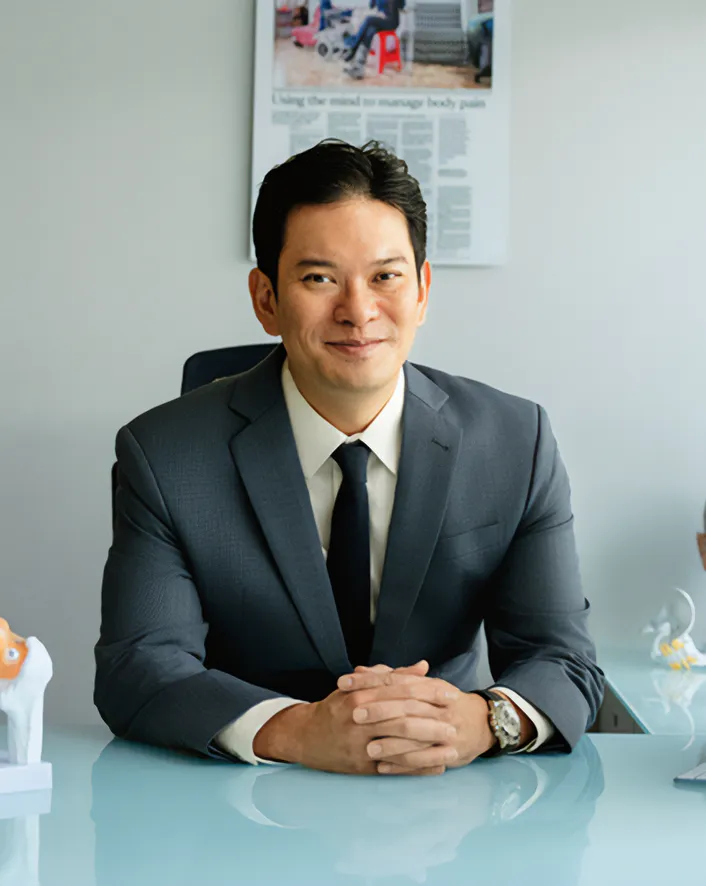
Meet Our Pain Specialist in Singapore
Dr Thor Timothy, Anuntapon Chutatape
Dr Thor Timothy, Anuntapon Chutatape is an anaesthesiologist and pain specialist dedicated to helping patients find relief from acute and chronic pain without surgery. He was previously the Director of Acute Pain Services at Singapore General Hospital and has received advanced training in interventional pain medicine internationally. Dr Thor is a Fellow of Interventional Pain Practice (FIPP, USA), a Fellow of the Faculty of Pain Medicine of the Australian and New Zealand College of Anaesthetists (FFPMANZCA) and a Fellow of the Academy of Medicine Singapore (FAMS). He also holds the European Diploma of Pain Management (EDPM).


