

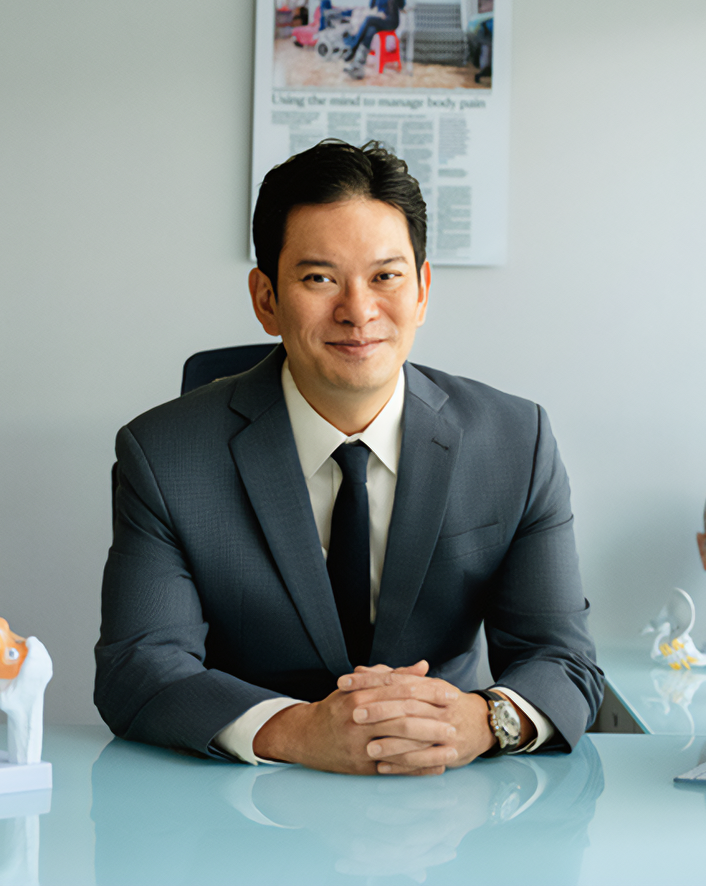
Dr Thor Timothy
Consultant Pain Specialist & Anaesthesiologist
MBBS (NUS, Singapore), M.Med (Anaesthesiology) (NUS, Singapore), FFPMANZCA (ANZCA, Australia/New Zealand), FIPP (USA), EDPM (Europe), FAM (S’pore)
Pain is a natural part of the healing process. In the early stages of recovery, it serves an important purpose by signalling that something needs attention, encouraging us to rest and protect the injured area. As healing progresses, most people expect the pain to gradually fade.
However, pain can sometimes persist long after an injury, surgery, or illness has healed. This can leave you wondering whether your body has truly recovered or if an underlying problem has been overlooked. In many cases, persistent pain does not mean that tissues are still injured. Instead, it may be influenced by changes in the nervous system, movement patterns, lifestyle factors, or underlying medical conditions.
Although chronic pain can be challenging to manage, it is often treatable with the right combination of therapies and support. Understanding why pain persists is often the first step towards finding effective treatment and achieving long-term relief.
Healing Does Not Always Mean the Pain Will Go Away
Although acute pain usually improves as tissues heal, chronic pain can sometimes continue even after recovery. Understanding the difference between acute and chronic pain helps explain why persistent pain does not always mean ongoing injury.
Acute Pain Is a Normal Part of Healing
Acute pain occurs immediately after an injury, surgery, or illness and serves as the body's natural warning system. It helps limit further injury while tissues heal. As inflammation settles and healing progresses, pain typically improves over days, weeks or months, depending on the severity of the condition.
Even After Healing, Pain Can Still Persist
Although the body may have healed, pain does not always resolve at the same pace. Some people continue to experience ongoing discomfort, stiffness or intermittent flare-ups even when scans or medical tests show that tissues have recovered. Pain may be constant or come and go over time. This happens because pain is influenced not only by physical healing but also by how the nervous system processes and responds to pain signals over time.
What Causes Chronic Pain to Persist?
Persistent pain is often influenced by several factors rather than a single cause. Even after tissues have healed, changes in the nervous system, physical recovery, daily activities and underlying medical conditions can all contribute to ongoing symptoms.
Delayed or Incomplete Rehabilitation
Healing and recovery are not always the same thing. While an injury may have healed, strength, mobility, and movement patterns may not have fully returned to normal. Weak muscles, reduced flexibility, or compensatory movements can place additional strain on the body, contributing to ongoing pain and discomfort. A structured rehabilitation programme can help restore function and support long-term recovery.
Changes in the Nervous System's Pain Response
In some cases, the nervous system can become more sensitive after an injury or period of prolonged pain. This means the brain and nerves may continue to interpret certain movements or sensations as painful, even after the original injury has healed. Known as central sensitisation, this process can make pain feel more intense or persistent than expected. While frustrating, it is a recognised condition that can often be managed with appropriate treatment and support.
Repeated Strain or Overuse of the Affected Area
Repeated physical stress on a previously injured area can make it difficult for the body to fully recover. This is particularly common among individuals with physically demanding jobs, repetitive work tasks, or active lifestyles. Over time, repeated strain may continue to trigger pain signals and contribute to flare-ups, even when the original injury has healed.
Stress, Poor Sleep, and Emotional Well-Being
Chronic pain affects more than just the body. Poor sleep, ongoing stress, and emotional strain can influence how pain is experienced and processed by the nervous system. For example, a lack of restorative sleep may increase pain sensitivity, while chronic stress can make symptoms feel more difficult to manage. This does not mean the pain is psychological; rather, it highlights the close relationship between physical health, mental well-being, and pain perception.
Underlying Conditions Such as Arthritis or Nerve Damage
In some cases, persistent pain may be linked to an underlying medical condition rather than the original injury itself. Conditions such as arthritis, degenerative spinal changes, or nerve damage can continue to cause discomfort even after tissues have healed. Identifying and addressing these underlying factors is often an important part of developing an effective chronic pain management plan.
Evidence-Based Approaches to Managing Chronic Pain
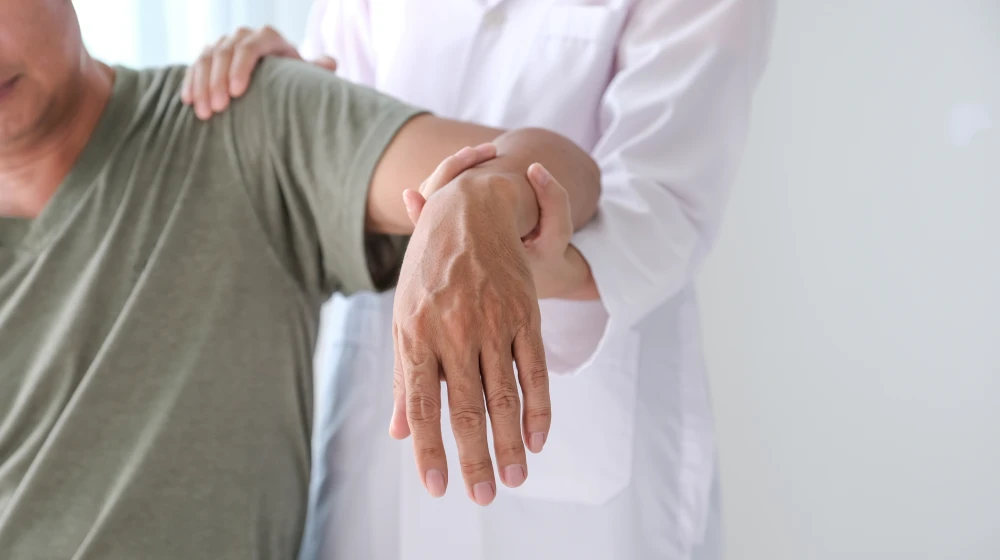
Managing chronic pain after an injury has healed often requires a multifaceted approach that addresses both the underlying cause of pain and its impact on daily life. Many chronic pain conditions can be managed without surgery using a combination of evidence-based treatments tailored to the individual's condition and goals. These approaches aim to reduce pain, improve function and support long-term recovery.
Comprehensive Assessment and Accurate Diagnosis
Effective chronic pain management begins with understanding what is driving your symptoms. A pain specialist may use a combination of medical history, physical examination, imaging studies, and diagnostic procedures to identify the underlying causes of persistent pain and develop a targeted treatment plan.
Medication Management for Chronic Pain
Medication may form part of a comprehensive pain management strategy. Depending on the nature of the condition, treatment may include anti-inflammatory medications, neuropathic pain medications, muscle relaxants, or other non-opioid options designed to reduce symptoms while supporting daily function.
Minimally Invasive Pain Procedures
For some individuals, minimally invasive pain procedures may help reduce pain and improve quality of life. Depending on the underlying cause, treatments such as nerve blocks, epidural steroid injections, radiofrequency treatment, spinal cord stimulation, or intrathecal pump therapy may be considered as part of a personalised treatment plan.
Physiotherapy and Rehabilitation
Restoring strength, flexibility, and healthy movement patterns is often an important part of recovery. Physiotherapy and rehabilitation programmes can help address physical limitations, reduce strain on affected areas, and improve long-term function, particularly when pain persists after an injury has healed.
Lifestyle Strategies to Support Recovery
Factors such as sleep quality, stress levels, physical activity, and overall health can influence how pain is experienced. Incorporating lifestyle modifications alongside medical treatment may help reduce pain sensitivity, improve resilience, and support long-term symptom management.
Personalised Treatment Plans for Long-Term Pain Relief
Because chronic pain can be influenced by multiple physical and neurological factors, treatment is rarely one-size-fits-all. A personalised approach allows pain specialists to combine appropriate therapies and interventions based on an individual’s symptoms, goals, and underlying condition.
Find Relief from Persistent Pain with Dr Thor Timothy
Persistent pain that continues long after an injury, surgery or illness has healed should not be ignored, particularly when it affects your mobility, sleep, work or quality of life. Early assessment may help identify the factors contributing to your symptoms and guide appropriate treatment to support long-term pain relief.
At our pain specialist clinic in Singapore, patients receive comprehensive assessment and personalised care for a wide range of chronic pain conditions. Care is provided by Dr Thor Timothy, an experienced pain management specialist with expertise in diagnosing and treating persistent pain that continues beyond the normal healing process. If you are experiencing chronic pain after an injury has healed, schedule a consultation today to better understand the cause of your symptoms and explore treatment options tailored to your needs.
Frequently Asked Questions (FAQs) About Chronic Pain After Injury Recovery
Meet Our Pain Specialist in Singapore
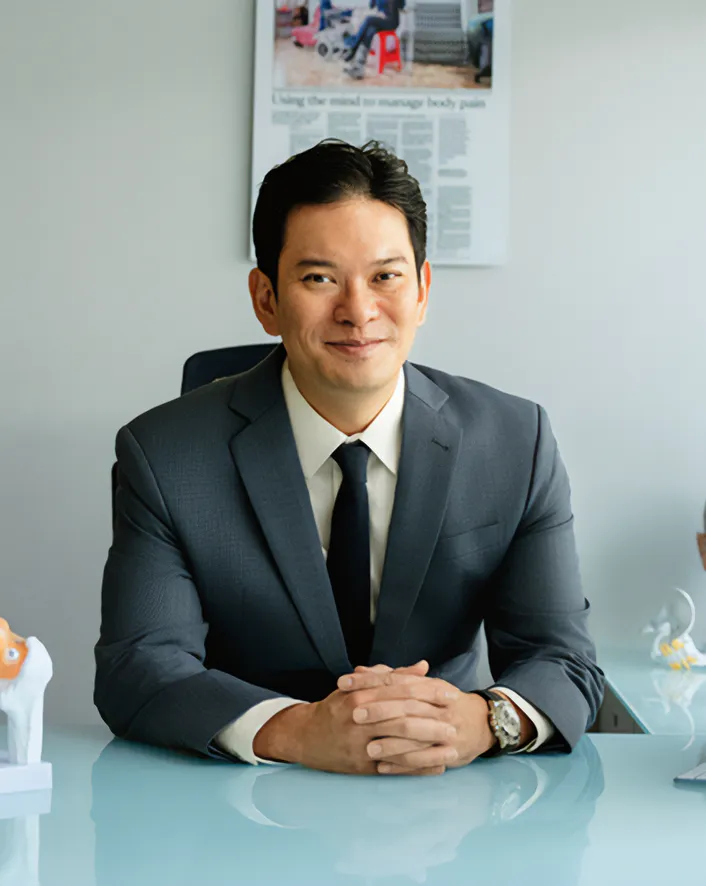
Dr Thor Timothy, Anuntapon Chutatape
Dr Thor Timothy, Anuntapon Chutatape is an anaesthesiologist and pain specialist dedicated to helping patients find relief from acute and chronic pain without surgery. He was previously the Director of Acute Pain Services at Singapore General Hospital and has received advanced training in interventional pain medicine internationally. Dr Thor is a Fellow of Interventional Pain Practice (FIPP, USA), a Fellow of the Faculty of Pain Medicine of the Australian and New Zealand College of Anaesthetists (FFPMANZCA) and a Fellow of the Academy of Medicine Singapore (FAMS). He also holds the European Diploma of Pain Management (EDPM).


