

Dr Thor Timothy
Consultant Pain Specialist & Anaesthesiologist
MBBS (NUS, Singapore), M.Med (Anaesthesiology) (NUS, Singapore), FFPMANZCA (ANZCA, Australia/New Zealand), FIPP (USA), EDPM (Europe), FAM (S’pore)
Knee pain can develop for many different reasons, ranging from a minor strain after physical activity to conditions affecting the bones, cartilage, ligaments and other structures within the joint.
Because several conditions can produce similar symptoms, it is not always easy to determine the underlying cause based on how your knee feels alone.
Understanding the different types of knee pain and the conditions commonly associated with them can help you better interpret your symptoms and recognise when medical assessment may be appropriate. While knee pain does not always indicate a serious problem, persistent or worsening symptoms should not be ignored.
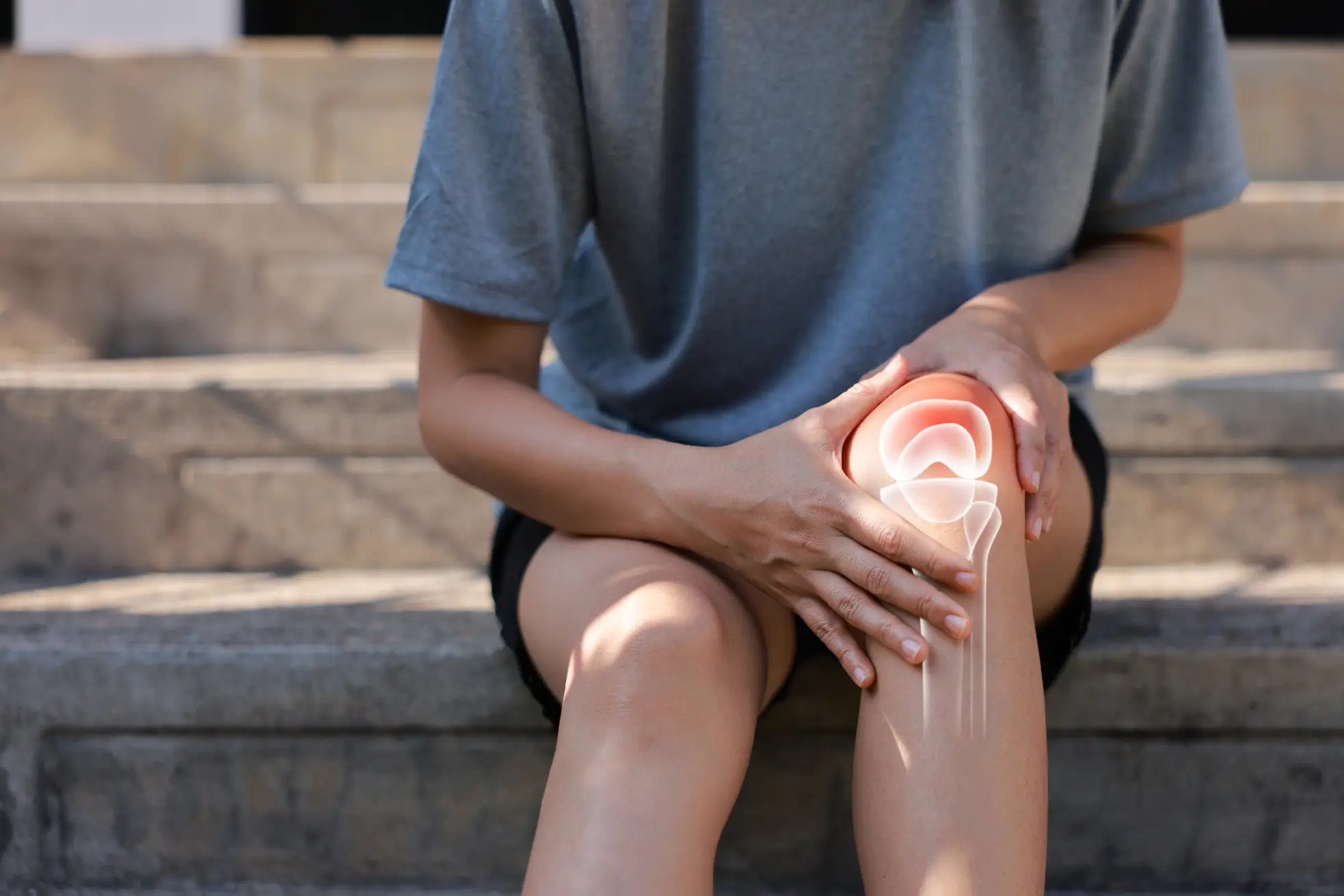
How Can Knee Pain Feel and Where Can It Occur?
Knee pain can vary in both sensation and location. Some people experience a sharp or sudden pain, while others notice a persistent ache, burning sensation or discomfort that comes and goes. Where the pain is felt can also vary, with symptoms occurring at the front, back, inner or outer side of the knee.
Types of Knee Pain
- Sharp pain: Sudden, localised pain that may occur with movement, weight-bearing or changes in direction
- Dull or aching pain: A more persistent discomfort that may build gradually and worsen with activity or prolonged standing
- Burning pain: A warm, stinging or tingling sensation that may stay in one area or spread slightly
- Intermittent or constant pain: Pain that may come and go or remain present throughout the day depending on activity levels
Where Knee Pain Can Be Felt
- Front of the knee: Around or behind the kneecap, often noticeable with bending or stair use
- Back of the knee: May feel like tightness, pressure or discomfort during movement or extension
- Inner side of the knee: Pain along the medial aspect, often more noticeable with weight-bearing or twisting
- Outer side of the knee: Lateral knee discomfort that may appear during activity or repetitive movement
- Generalised knee pain: Diffuse discomfort that is difficult to localise to a single area
Why Does Your Knee Hurt During Certain Activities?
When knee pain occurs can be just as useful to note as where or how it feels. Certain movements place different demands on the knee, which may make existing discomfort more noticeable.
Knee Pain When Walking or Standing
Walking and standing require the knee to repeatedly support your body weight. Pain during these activities may become more noticeable with longer periods of weight-bearing or as activity levels increase.
Knee Pain When Climbing Stairs
Climbing or descending stairs requires repeated bending of the knee while it supports your weight. This can place greater demands on the joint than walking on level ground and may make existing knee pain more apparent.
Knee Pain When Squatting or Kneeling
Squatting involves deeper knee bending and increased loading through the joint, while kneeling places direct pressure on the front of the knee. Either activity may aggravate discomfort in some people.
Knee Pain During or After Exercise
Running, jumping and sports involving sudden changes in direction can place repeated or greater forces on the knee. Pain may occur during the activity itself or become noticeable afterwards.
Knee Pain After Sitting for a Long Time
Some people notice stiffness or discomfort after keeping the knee bent for an extended period, such as when sitting at a desk, driving or watching a film. The discomfort may be particularly noticeable when standing up or beginning to move again.
Can the Pattern of Knee Pain Tell You What Is Causing It?
The way knee pain behaves can provide useful clues during a medical assessment. Where the pain occurs, what it feels like, which activities aggravate it and whether it is constant or intermittent can all help build a clearer picture of your symptoms.
However, a particular pattern of pain does not necessarily correspond to a single condition. For example, pain when climbing stairs or squatting can occur for different reasons, while discomfort in a particular part of the knee may involve different structures. In some cases, pain felt in the knee may even originate from another area, such as the hip or lower back.
This is why knee pain is assessed in the context of your overall symptoms rather than one characteristic alone. Your doctor may consider:
- When the pain started and how it has changed
- Where it is located
- What makes it better or worse
- Whether there has been a previous injury
- Whether other symptoms are present
A physical examination, and further investigations where appropriate, can help determine the underlying cause.
Occasional mild discomfort may improve with rest or activity modification. However, medical advice should be considered if knee pain:
- Persists or keeps returning
- Becomes progressively worse
- Affects walking, sleep, work or daily activities
- Occurs after a significant injury
- Is associated with difficulty bearing weight, swelling or reduced movement
Severe pain after an injury or a noticeable change in the shape of the knee should be assessed promptly.
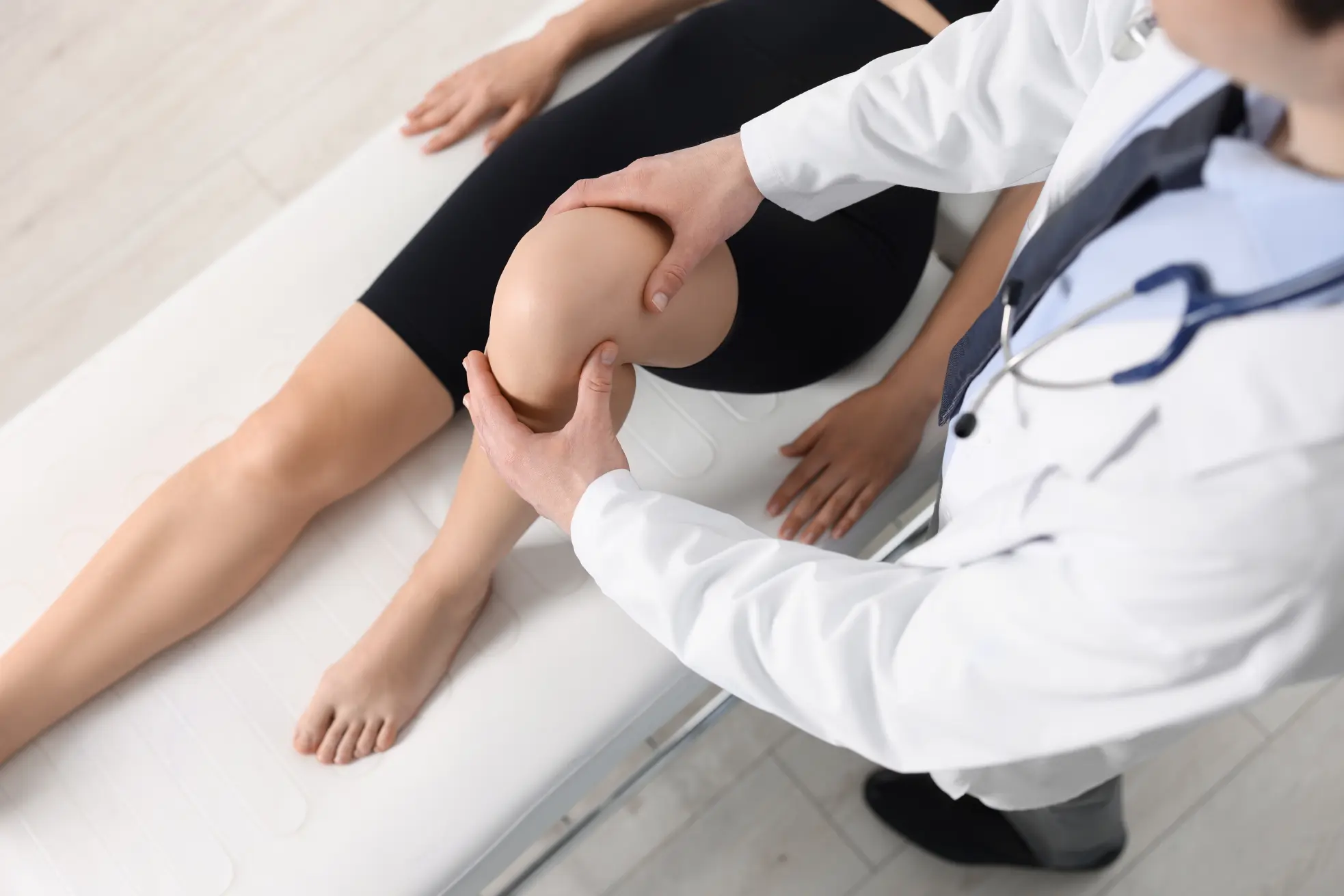
Getting the Right Support for Your Knee Pain With Dr Thor Timothy
Knee pain can vary considerably in how it feels, where it occurs and which activities make it worse. Paying attention to these patterns can help you describe your symptoms more clearly, but they cannot determine the underlying cause on their own. If your pain persists, worsens or begins to affect your mobility and daily activities, a medical assessment can help identify what may be contributing to your symptoms and determine the appropriate next steps.
If you are concerned about persistent or recurring knee pain, Dr Thor Timothy can assess your symptoms and advise on the appropriate next steps. At our pain specialist clinic in Singapore, care is tailored according to your symptoms, clinical findings and individual needs. Arrange a consultation to have your knee pain assessed.
Frequently Asked Questions (FAQs) About Knee Pain Patterns

Meet Our Pain Specialist in Singapore
Dr Thor Timothy, Anuntapon Chutatape
Dr Thor Timothy, Anuntapon Chutatape is an anaesthesiologist and pain specialist dedicated to helping patients find relief from acute and chronic pain without surgery. He was previously the Director of Acute Pain Services at Singapore General Hospital and has received advanced training in interventional pain medicine internationally. Dr Thor is a Fellow of Interventional Pain Practice (FIPP, USA), a Fellow of the Faculty of Pain Medicine of the Australian and New Zealand College of Anaesthetists (FFPMANZCA) and a Fellow of the Academy of Medicine Singapore (FAMS). He also holds the European Diploma of Pain Management (EDPM).


