
Dr Thor Timothy
Consultant Pain Specialist & Anaesthesiologist
MBBS (NUS, Singapore), M.Med (Anaesthesiology) (NUS, Singapore), FFPMANZCA (ANZCA, Australia/New Zealand), FIPP (USA), EDPM (Europe), FAM (S’pore)
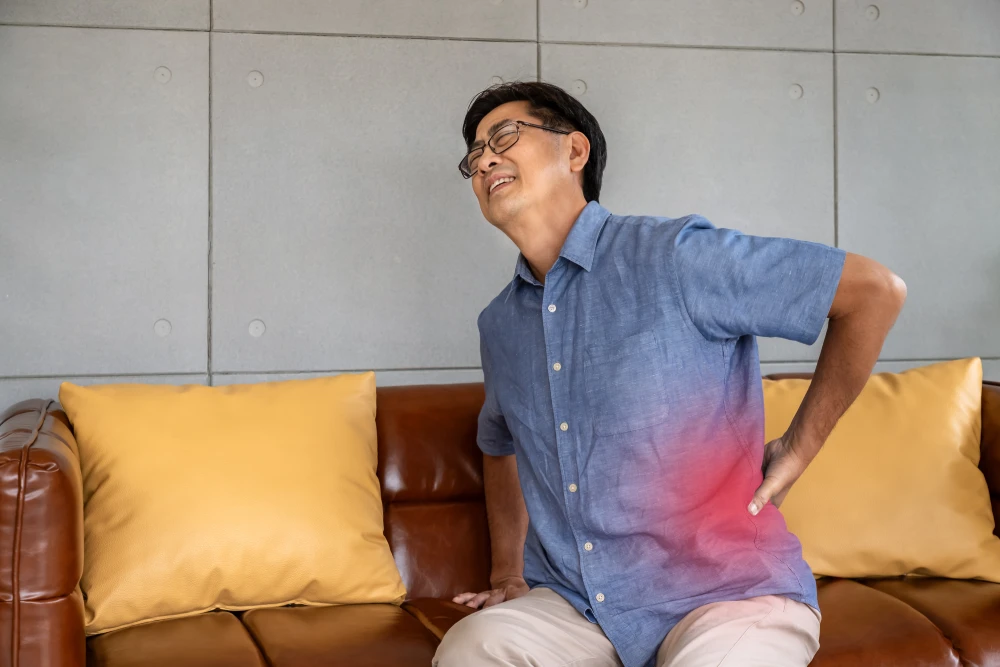
Back pain after a workout, a long drive or lifting something awkward is often dismissed as a muscle strain. However, if the pain doesn't settle as expected or starts causing symptoms elsewhere, there may be more to it than a simple muscular injury.
Being aware of the signs of nerve involvement can help you seek the right assessment sooner and receive treatment that addresses the underlying cause of your symptoms.
Muscle Pain vs Nerve Pain: What Is the Difference?
Although both can cause back discomfort, muscle pain and nerve pain tend to present differently because they involve different tissues. Muscle-related back pain usually develops after overuse, heavy lifting or an awkward movement. It is often localised to one area of the back and may feel sore, tight or aching. The discomfort typically worsens when the affected muscle is used and gradually improves as the muscle heals.
Nerve-related pain occurs when a spinal nerve becomes irritated, inflamed or compressed. This may result from conditions such as a slipped disc, spinal stenosis or degenerative changes affecting the spine. Rather than remaining confined to one area, nerve pain often follows the path of the affected nerve, producing symptoms beyond the back itself.
Signs Your Back Pain May Be Nerve-Related

Unlike muscle strain, nerve-related back pain often affects more than just the area of discomfort. Signs of nerve involvement may include:
Pain Radiates Into the Leg or Arm
Pain that travels from the back into the buttock, leg or foot may indicate irritation of a spinal nerve. Similarly, pain originating in the neck that extends into the shoulder, arm or hand can suggest nerve involvement in the cervical spine.
Burning, Shooting or Electric Shock-Like Pain
Nerve pain is commonly described as burning, stabbing, shooting or resembling an electric shock. These sensations differ from the dull ache or stiffness typically associated with muscle strain. Some people also notice sudden sharp pains triggered by coughing, sneezing or changing position.
Numbness or Tingling
Pins and needles, numbness or altered sensation affecting the leg, foot, arm or hand may occur when nerve signals are disrupted. These sensory changes often develop alongside pain and usually correspond to the distribution of the affected nerve, helping doctors identify which part of the spine may be involved.
Muscle Weakness
Nerves control muscle function as well as sensation. If a compressed nerve affects the signals travelling to a muscle, weakness may develop. You may notice difficulty lifting the front of your foot, climbing stairs, gripping objects or performing movements that were previously straightforward. Weakness should always be assessed promptly, particularly if it is worsening.
Pain That Changes With Certain Positions
Nerve pain may become more noticeable in specific positions that increase pressure on the affected nerve. For example, sitting for prolonged periods may aggravate symptoms caused by a lumbar disc problem, while walking downhill may worsen discomfort related to spinal stenosis. In contrast, muscle pain generally increases when the injured muscle is stretched or actively used.
When Should You Seek Medical Assessment?
While mild back pain often improves with rest and simple self-care measures, persistent or progressive symptoms should not be ignored.
Arrange a medical assessment if you experience:
- Pain lasting more than several weeks
- Pain that radiates into the arm or leg
- Numbness, tingling or altered sensation
- Muscle weakness
- Pain that interferes with sleep or daily activities
- Symptoms that continue to recur despite initial improvement
Urgent medical attention is recommended if back pain is accompanied by loss of bladder or bowel control, numbness around the groin or rapidly worsening weakness, as these symptoms may indicate a medical emergency.
Treatment for Nerve-Related Back Pain
Treatment for nerve-related back pain varies from person to person. Many cases can be managed without surgery. Depending on the diagnosis, treatment may include medication, physiotherapy and minimally invasive procedures. For selected patients, interventions such as radiofrequency treatment, nucleoplasty or annuloplasty may be recommended to help relieve nerve-related pain or address specific spinal conditions contributing to their symptoms.
Finding the Right Cause Is the First Step Towards Relief
Back pain can have different underlying causes, and not all cases require the same treatment approach. Therefore, identifying whether a nerve is contributing to your symptoms is an important step towards receiving appropriate care and achieving lasting pain relief.
At our pain specialist clinic in Singapore, individuals with persistent back pain undergo a comprehensive evaluation to identify the underlying cause of their symptoms. Under the care of Dr Thor Timothy, each patient receives an individualised assessment, followed by a non-surgical treatment plan tailored to their condition, functional needs and treatment goals. If your back pain continues to affect your mobility or quality of life, arrange a consultation to discuss the most appropriate treatment options today.
Frequently Asked Questions About Nerve and Muscle Back Pain

Meet Our Pain Specialist in Singapore
Dr Thor Timothy, Anuntapon Chutatape
Dr Thor Timothy, Anuntapon Chutatape is an anaesthesiologist and pain specialist dedicated to helping patients find relief from acute and chronic pain without surgery. He was previously the Director of Acute Pain Services at Singapore General Hospital and has received advanced training in interventional pain medicine internationally. Dr Thor is a Fellow of Interventional Pain Practice (FIPP, USA), a Fellow of the Faculty of Pain Medicine of the Australian and New Zealand College of Anaesthetists (FFPMANZCA) and a Fellow of the Academy of Medicine Singapore (FAMS). He also holds the European Diploma of Pain Management (EDPM).


