
Dr Thor Timothy
Consultant Pain Specialist & Anaesthesiologist
MBBS (NUS, Singapore), M.Med (Anaesthesiology) (NUS, Singapore), FFPMANZCA (ANZCA, Australia/New Zealand), FIPP (USA), EDPM (Europe), FAM (S’pore)
If you've been experiencing sudden facial pain, you may have noticed that it always seems to occur in the same area, such as your forehead, cheek or jaw.
This isn't a coincidence.
The location of pain in trigeminal neuralgia often depends on which branch of the trigeminal nerve is affected.
Understanding how the trigeminal nerve is divided into three branches can help explain why symptoms vary from person to person. It can also provide useful insight into how trigeminal neuralgia is assessed and why identifying the location of pain is an important part of reaching a diagnosis.
What Is the Trigeminal Nerve?
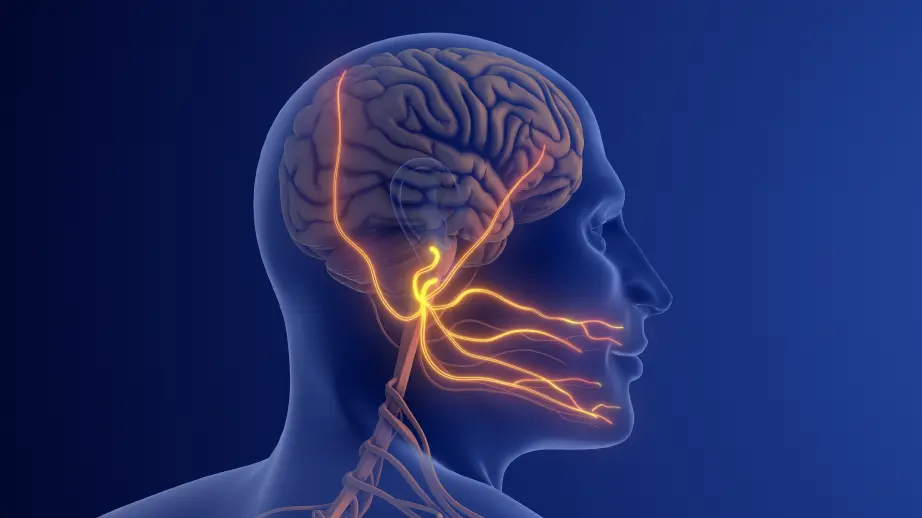
The trigeminal nerve is the fifth and largest cranial nerve. Its primary role is to carry sensory information, including touch, pain and temperature, from the face to the brain. It also controls the muscles used for chewing through one of its branches.
To reach the different areas of the face, the trigeminal nerve divides into three main branches. Each branch supplies sensation to a specific region, allowing the brain to receive signals from the forehead, cheeks, nose, lips, teeth and jaw.
Because each branch supplies sensation to a different area of the face, the location of pain in trigeminal neuralgia often depends on which branch is affected. This distribution explains why trigeminal neuralgia can cause pain in different parts of the face, even though the condition affects the same nerve.
What Are the Three Trigeminal Nerve Branches?
The trigeminal nerve divides into three main branches, each responsible for carrying sensory information from a different part of the face to the brain. Together, these branches allow you to feel sensations such as touch, pain and temperature across nearly the entire face. While they originate from the same nerve, each branch follows its own pathway and supplies a distinct region. Understanding these areas can help explain where trigeminal neuralgia is typically felt.
| Trigeminal nerve branch | Areas supplied | Function |
|---|---|---|
| Ophthalmic branch (V1) | Forehead, scalp, upper eyelid, eye and bridge of the nose | Carries sensory information from the upper part of the face. This branch is entirely sensory. |
| Maxillary branch (V2) | Cheek, side of the nose, upper lip, upper teeth and upper gums | Carries sensory information from the middle part of the face. Like the ophthalmic branch, it is entirely sensory. |
| Mandibular branch (V3) | Lower jaw, chin, lower lip, lower teeth, lower gums and part of the tongue | Carries sensory information from the lower part of the face and contains motor fibres that control the muscles used for chewing, making it the only branch with both sensory and motor functions. |

How Can Trigeminal Neuralgia Affect Each Branch?
Trigeminal neuralgia most often affects one branch of the trigeminal nerve, although more than one branch may be affected in some people. As a result, it typically causes one-sided facial pain that corresponds to the area supplied by the affected branch. Regardless of which branch is involved, the pain is typically described as sudden, sharp or electric shock-like.
Ophthalmic Branch (V1)
Pain is typically felt around the forehead, eye or upper part of the nose. Although this branch is less commonly affected, the pain can still be sudden and severe.
Maxillary Branch (V2)
Pain is commonly felt in the cheek, upper jaw, upper teeth or upper gums. Because of its location, symptoms may initially be mistaken for a dental problem.
Mandibular Branch (V3)
Pain usually affects the lower jaw, chin, lower teeth or lower lip. Everyday activities such as chewing, talking or brushing your teeth may trigger painful episodes in some people.
Why Does Identifying the Affected Branch Matter?
Understanding which trigeminal nerve branch is affected can provide important clues about your symptoms and help guide the diagnostic process. For example, pain that consistently occurs in the forehead is assessed differently from pain affecting the upper or lower jaw, as each area is supplied by a different branch of the trigeminal nerve. In some cases, pain involving the upper or lower teeth may also be related to the affected branch, which is why trigeminal neuralgia is sometimes mistaken for a dental problem.
Recognising these patterns can help you understand when your symptoms warrant further medical evaluation and prompt you to seek assessment from a pain specialist experienced in diagnosing and managing facial pain. During your consultation, the location of your pain, how it feels and what triggers it help determine whether your symptoms are consistent with trigeminal neuralgia or another condition.
However, the location of pain alone is not enough to confirm a diagnosis. Your pain specialist will also consider your medical history, symptom pattern and, when appropriate, imaging tests to identify the underlying cause of your pain before recommending a personalised treatment plan.
Get Personalised Trigeminal Neuralgia Care with Dr Thor Timothy
Recurring facial pain can make everyday activities challenging and may affect your quality of life. If you're experiencing symptoms that could be related to trigeminal neuralgia, seeking medical assessment can help identify the underlying cause and determine the treatment options that may be suitable for your condition. At our pain specialist clinic in Singapore, we provide comprehensive assessments for patients experiencing trigeminal neuralgia and other causes of facial pain. Dr Thor Timothy develops personalised treatment plans based on each patient's symptoms, medical history and clinical findings. Arrange a consultation to better understand your condition and explore the treatment options available.
Frequently Asked Questions (FAQs) About Trigeminal Neuralgia

Meet Our Pain Specialist in Singapore
Dr Thor Timothy, Anuntapon Chutatape
Dr Thor Timothy, Anuntapon Chutatape is an anaesthesiologist and pain specialist dedicated to helping patients find relief from acute and chronic pain without surgery. He was previously the Director of Acute Pain Services at Singapore General Hospital and has received advanced training in interventional pain medicine internationally. Dr Thor is a Fellow of Interventional Pain Practice (FIPP, USA), a Fellow of the Faculty of Pain Medicine of the Australian and New Zealand College of Anaesthetists (FFPMANZCA) and a Fellow of the Academy of Medicine Singapore (FAMS). He also holds the European Diploma of Pain Management (EDPM).


