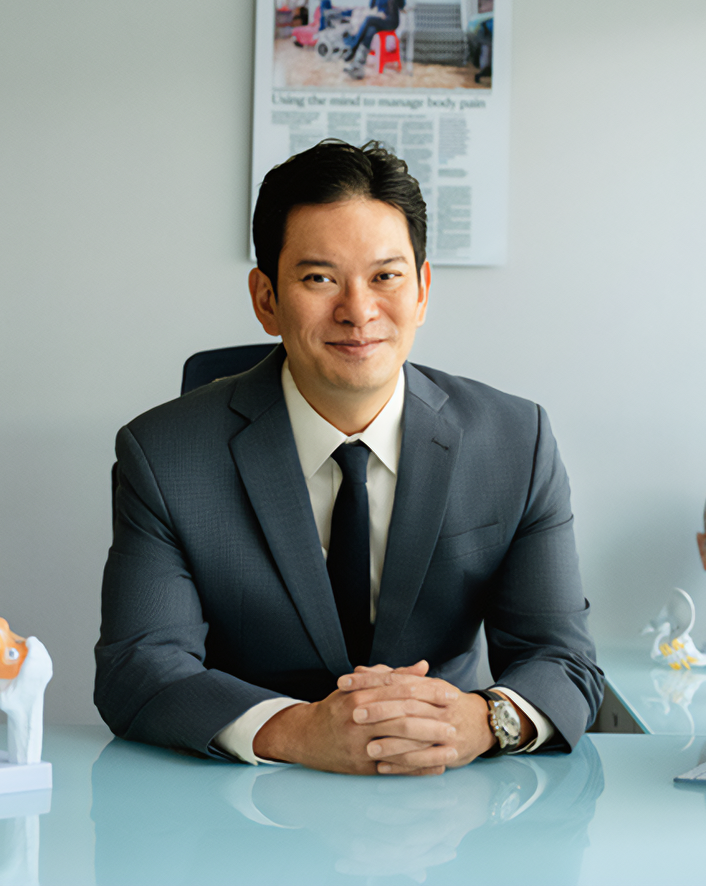
Dr Thor Timothy
Consultant Pain Specialist & Anaesthesiologist
MBBS (NUS, Singapore), M.Med (Anaesthesiology) (NUS, Singapore), FFPMANZCA (ANZCA, Australia/New Zealand), FIPP (USA), EDPM (Europe), FAM (S’pore)
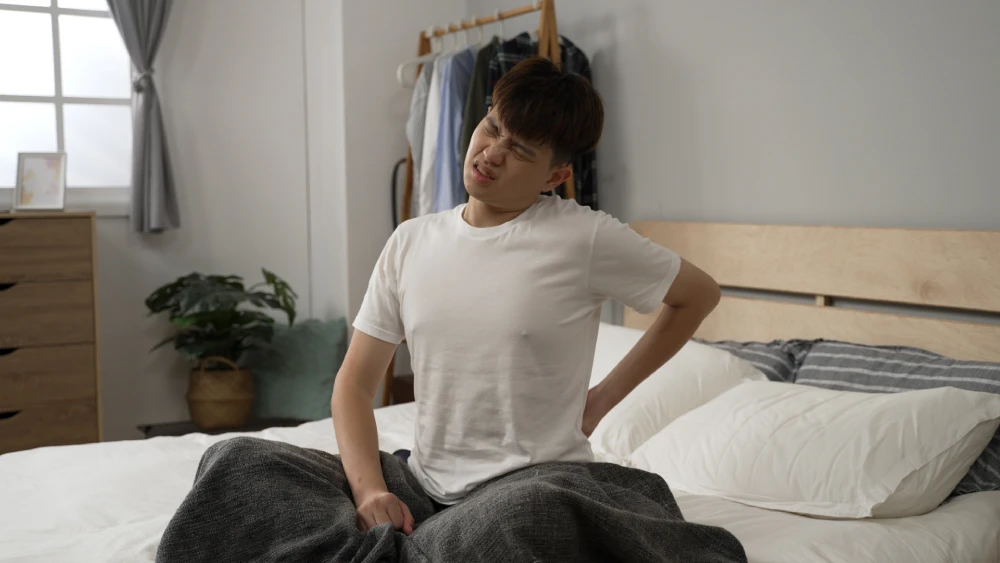
Lower back pain is a common problem that can affect people of all ages. While injuries and spinal conditions are well-recognised causes, everyday habits such as poor posture, prolonged sitting and improper lifting can also place repeated strain on the lower back.
Because these habits often become part of daily routines, they may go unnoticed until pain develops or worsens. Recognising them early and making simple adjustments can help reduce unnecessary stress on the spine and support long-term back health.
How Poor Posture Can Strain Your Lower Back
Good posture helps distribute weight evenly across the spine, allowing the muscles, joints and supporting tissues to function efficiently. Poor posture, however, places additional stress on the lower back, particularly when maintained for long periods.
Whether sitting, standing or using electronic devices, remaining in awkward positions can increase pressure on the lumbar spine and force surrounding muscles to work harder to support the body. Over time, this repeated strain may contribute to stiffness, discomfort and persistent lower back pain.
Everyday Activities That May Be Aggravating Your Pain
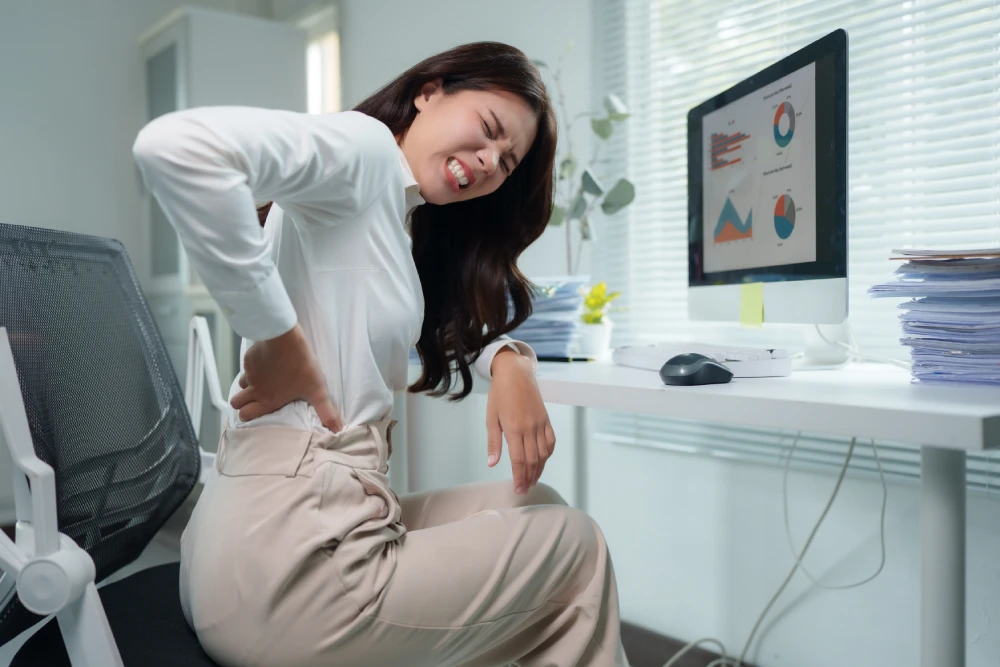
Lower back pain is not always linked to strenuous exercise or heavy lifting. Many routine activities performed throughout the day can place repeated stress on the spine without you realising it.
Sitting for Long Periods
Remaining seated for extended periods reduces movement within the spine and places sustained pressure on the lower back. Whether working at a desk, driving or relaxing at home, prolonged sitting may lead to muscle tightness and increased stiffness.
Lifting Objects Incorrectly
Improper lifting technique is a common cause of lower back strain. Bending from the waist instead of the knees increases the load placed on the muscles and discs of the lower back, particularly when lifting heavier items.
Sleeping in Unsupportive Positions
The spine continues to require support during sleep. An old mattress or poor sleeping posture may leave the lower back unsupported for several hours each night, contributing to morning stiffness or discomfort.
Carrying Heavy Bags
Frequently carrying a heavy handbag, backpack or work bag on one shoulder creates uneven loading across the spine. Over time, this imbalance may contribute to muscle fatigue and discomfort in the lower back and surrounding areas.
Skipping Regular Physical Activity
Although movement may feel uncomfortable during an episode of back pain, avoiding activity altogether can sometimes make symptoms worse. Long periods of inactivity may weaken the muscles that support the spine and reduce flexibility, making the back more susceptible to strain.
Simple Changes to Help Protect Your Spine
Small adjustments to everyday habits can help reduce unnecessary strain on the lower back, support spinal health and contribute to pain relief over time.
Helpful habits include:
- Maintaining good posture while sitting and standing
- Taking regular breaks from prolonged sitting
- Using proper lifting techniques
- Sleeping in a position that supports the spine
- Avoiding carrying heavy bags on one shoulder
- Staying physically active
- Maintaining a healthy weight
- Setting up an ergonomic workstation
Don't Let Lower Back Pain Become a Daily Struggle
While improving everyday habits can help reduce strain on the spine, not all lower back pain resolves with lifestyle changes alone. Pain that persists, returns frequently or begins to interfere with work, exercise or daily activities may indicate an underlying condition that requires further assessment.
At our pain specialist clinic in Singapore, individuals experiencing persistent lower back pain receive a comprehensive assessment to better understand their symptoms and condition. Dr Thor Timothy assesses the underlying cause of each patient’s pain and recommends personalised non-surgical treatment based on their condition and treatment goals. Schedule a consultation to better understand what may be causing your symptoms and explore the right way forward for your recovery.
Frequently Asked Questions (FAQs) About Lower Back Pain
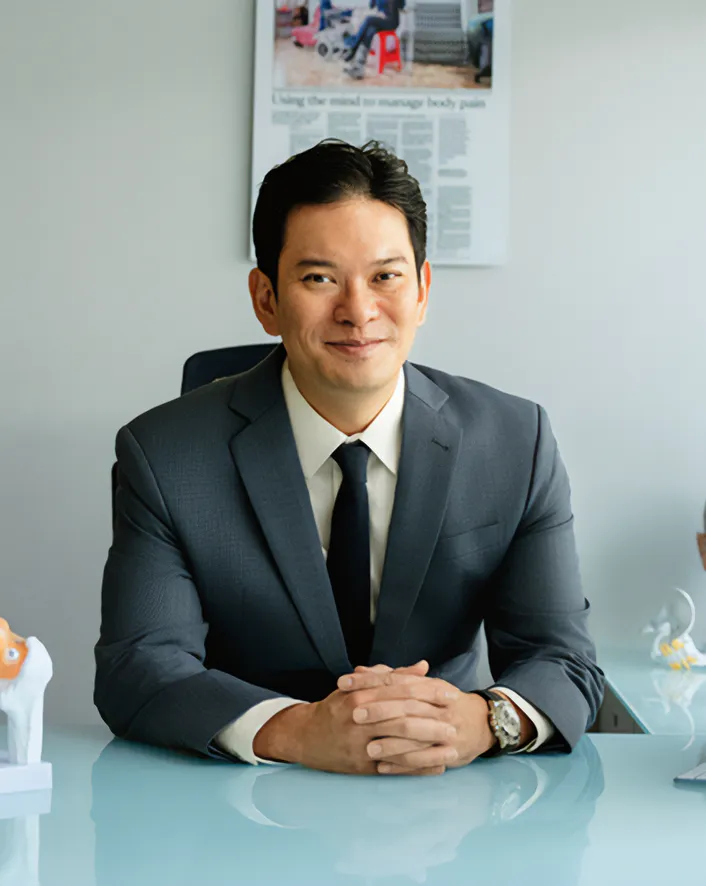
Meet Our Pain Specialist in Singapore
Dr Thor Timothy, Anuntapon Chutatape
Dr Thor Timothy, Anuntapon Chutatape is an anaesthesiologist and pain specialist dedicated to helping patients find relief from acute and chronic pain without surgery. He was previously the Director of Acute Pain Services at Singapore General Hospital and has received advanced training in interventional pain medicine internationally. Dr Thor is a Fellow of Interventional Pain Practice (FIPP, USA), a Fellow of the Faculty of Pain Medicine of the Australian and New Zealand College of Anaesthetists (FFPMANZCA) and a Fellow of the Academy of Medicine Singapore (FAMS). He also holds the European Diploma of Pain Management (EDPM).


