
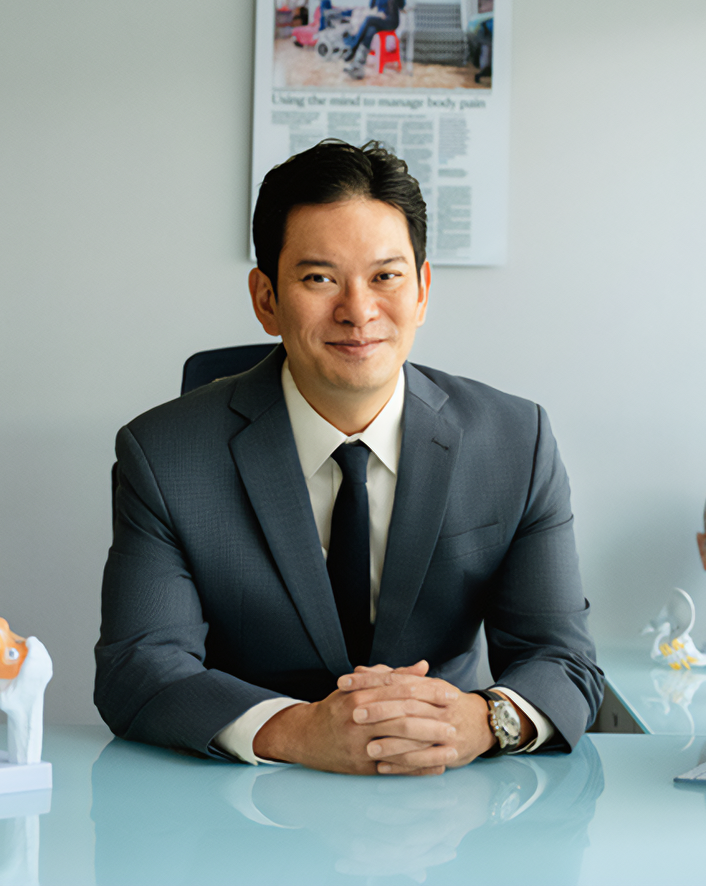
Dr Thor Timothy
MBBS (Singapore), M.Med (Anaesthesiology), FIPP (USA), FFPMANZCA (Australia and New Zealand), EDPM (Europe)
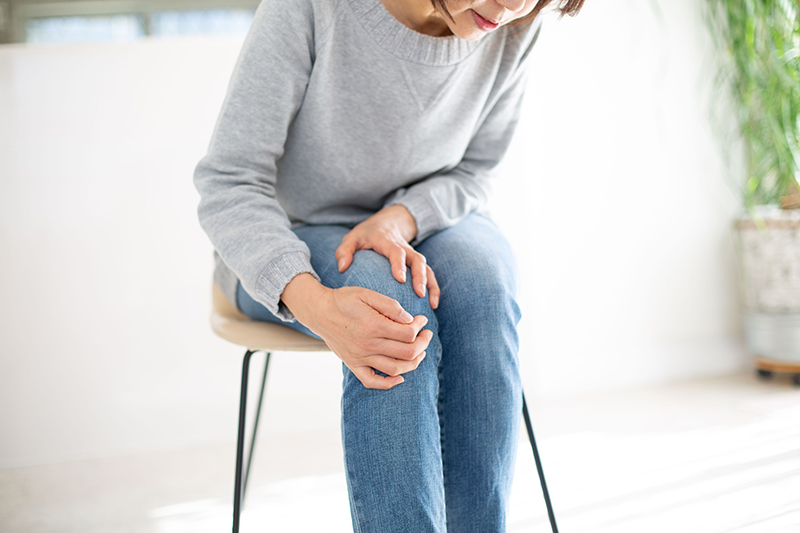
Knee pain is often brushed off as a natural part of getting older or the result of a past injury. You may have even told yourself that it is simply "wear and tear" and something you have to live with. While that can be true in some cases, it is far from the full picture. Chronic knee pain is more complex than many realise, and understanding what is really going on can open the door to more effective relief.
If your discomfort has lingered for weeks or months, or keeps returning despite rest, it may be time to look beyond the obvious explanations.
More Than Just Ageing
It is easy to associate knee pain with ageing. After all, the joint carries much of your body weight and is involved in nearly every movement you make. Over time, the cartilage that cushions the joint can thin, leading to conditions such as osteoarthritis.
However, not all chronic knee pain stems from age-related changes. Many people experience persistent symptoms even when scans show only mild degeneration. Others may have significant structural changes but feel little discomfort. This mismatch suggests that pain is not always directly linked to what is visible on imaging, which is why consulting a knee pain specialist can help uncover underlying factors that may not be immediately obvious.
Inflammation and Soft Tissue Strain
Beyond cartilage loss, inflammation can play a major role in ongoing knee discomfort. This may involve the tendons, ligaments or surrounding soft tissues. Conditions such as tendinopathy or bursitis can develop gradually, especially with repetitive movements or sudden increases in activity.
You may notice stiffness after sitting for long periods, or a dull ache that worsens after exercise. These patterns often point to irritation in the soft tissues rather than damage within the joint itself. Addressing this type of pain requires more than rest alone. Targeted treatment and guided rehabilitation can help calm inflammation and restore normal movement.
Nerve-Related Pain
Not all pain originates from the knee joint itself. In some cases, the issue lies within the nervous system. Irritated or sensitised nerves can send pain signals even when there is no significant structural problem. This type of discomfort may feel different from a typical ache. You could experience burning sensations, tingling or pain that seems disproportionate to your activity level. It may also persist despite conventional treatments like ice or anti-inflammatory medication.
A knee pain doctor considers these neurological factors when evaluating chronic knee pain. By identifying whether the nerves are involved, treatment can be tailored more precisely.
Biomechanics and Movement Patterns
How you move matters more than you may think. Subtle imbalances in your gait, posture or muscle strength can place uneven stress on the knee over time. For instance, weak hip or thigh muscles may cause the knee to track improperly during walking or climbing stairs. Poor alignment can gradually lead to strain, even without a specific injury.
Referred Pain From Other Areas
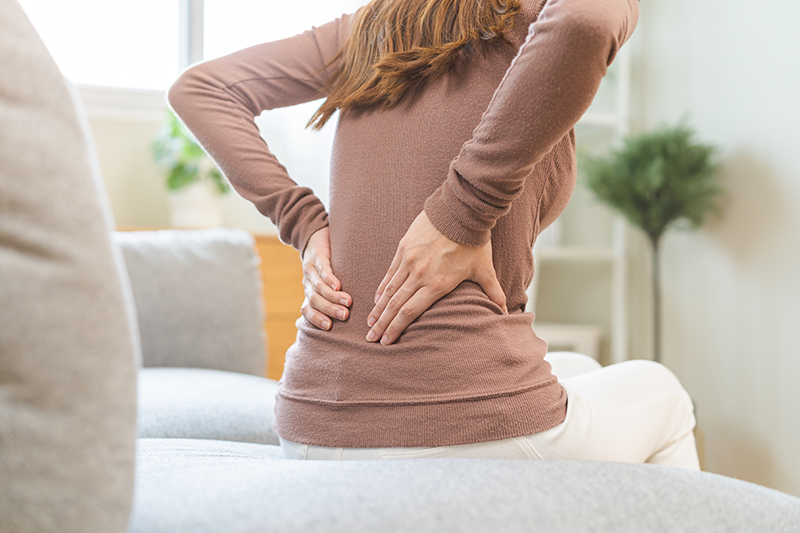
Sometimes, the source of knee pain is not the knee at all. Problems in the lower back, hips or even the feet can cause pain that is felt in the knee. For example, nerve compression in the spine may lead to discomfort radiating down the leg. Similarly, hip joint issues can alter your walking pattern, placing extra stress on the knee.
Lifestyle and Activity Levels
Your daily habits also play a role in how your knees feel. Prolonged sitting, sudden bursts of intense exercise or insufficient recovery can all contribute to chronic pain. Weight management, footwear choices and even the surfaces you walk on can influence the load placed on your knees. Over time, these factors can either support joint health or contribute to ongoing strain.
That said, the goal is to find a balance rather than avoiding activity altogether. Gradual strengthening, proper conditioning and mindful movement can help protect your knees while keeping you active. A knee specialist can also help in identifying which of these everyday factors may be affecting your condition and guide you towards more supportive habits.
Move Towards Lasting Relief with Dr Thor Timothy
Chronic knee pain is not something you have to accept as an inevitable part of life. While ageing and past injuries can play a role, they are only part of a much larger story. By looking beyond wear and tear, you can gain a clearer understanding of what your body is trying to tell you.
If your knee pain has been persistent, worsening or interfering with your daily activities, seeking professional guidance can make a meaningful difference. At our pain specialist clinic led by Dr Thor Timothy in Singapore, we take a comprehensive approach to diagnosing and managing chronic knee pain. Schedule a consultation to learn more and explore the support available to help you get back to doing what you enjoy.

Meet Our Pain Specialist in Singapore
Dr Thor Timothy, Anuntapon Chutatape
Dr Thor Timothy, Anuntapon Chutatape is an anaesthesiologist and pain specialist dedicated to helping patients find relief from acute and chronic pain without surgery. He was previously the Director of Acute Pain Services at Singapore General Hospital and has received advanced training in interventional pain medicine internationally. Dr Thor is a Fellow of Interventional Pain Practice (FIPP, USA), a Fellow of the Faculty of Pain Medicine of the Australian and New Zealand College of Anaesthetists (FFPMANZCA) and a Fellow of the Academy of Medicine Singapore (FAMS). He also holds the European Diploma of Pain Management (EDPM).


