
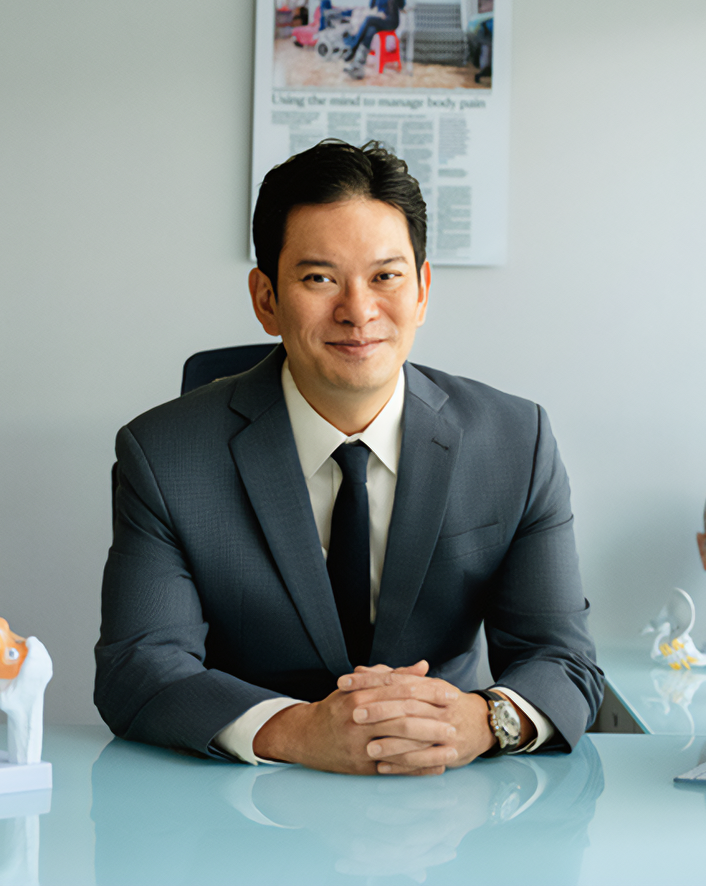
Dr Thor Timothy
MBBS (Singapore), M.Med (Anaesthesiology), FIPP (USA), FFPMANZCA (Australia and New Zealand), EDPM (Europe)
Back pain is one of the most common concerns affecting adults in Singapore, especially with long hours spent sitting, commuting or managing physically demanding routines. For many, the first instinct is to rely on painkillers to get through the day. While this can provide temporary relief, it often does little to address the underlying cause of the discomfort. This is where a broader approach to treatment becomes important. Instead of focusing only on symptom relief, exploring other options can help target the source of pain and support more sustainable recovery.

Why Painkillers Alone May Not Be Enough
Painkillers are often the first step in managing discomfort. They can reduce inflammation and help you function more comfortably in the short term. However, relying solely on medication for back pain may not provide a long term solution.
Temporary Relief vs Lasting Results
Medication works by dulling pain signals, but it does not correct the issue causing the discomfort. If the pain stems from a slipped disc, muscle imbalance or joint strain, these underlying problems remain even after the medication wears off.
The Risk of Ongoing Dependence
Frequent use of painkillers may lead to dependence or reduced effectiveness over time. Some medications may also cause side effects when used for extended periods. This is why exploring alternative treatments can be an important step towards sustainable relief.
Physiotherapy and Movement-Based Care
One of the most common non medication approaches to back pain is physiotherapy. This form of treatment focuses on restoring movement and strengthening the body.
How Physiotherapy Helps
A physiotherapist can guide you through exercises designed to improve flexibility, strengthen supporting muscles and correct posture. These changes can reduce strain on the spine and prevent further injury.
Building Long Term Resilience
With consistent practice, physiotherapy not only helps relieve current pain but also lowers the risk of future flare ups. It empowers you to take an active role in your recovery and maintain better spinal health over time.
Interventional Pain Management
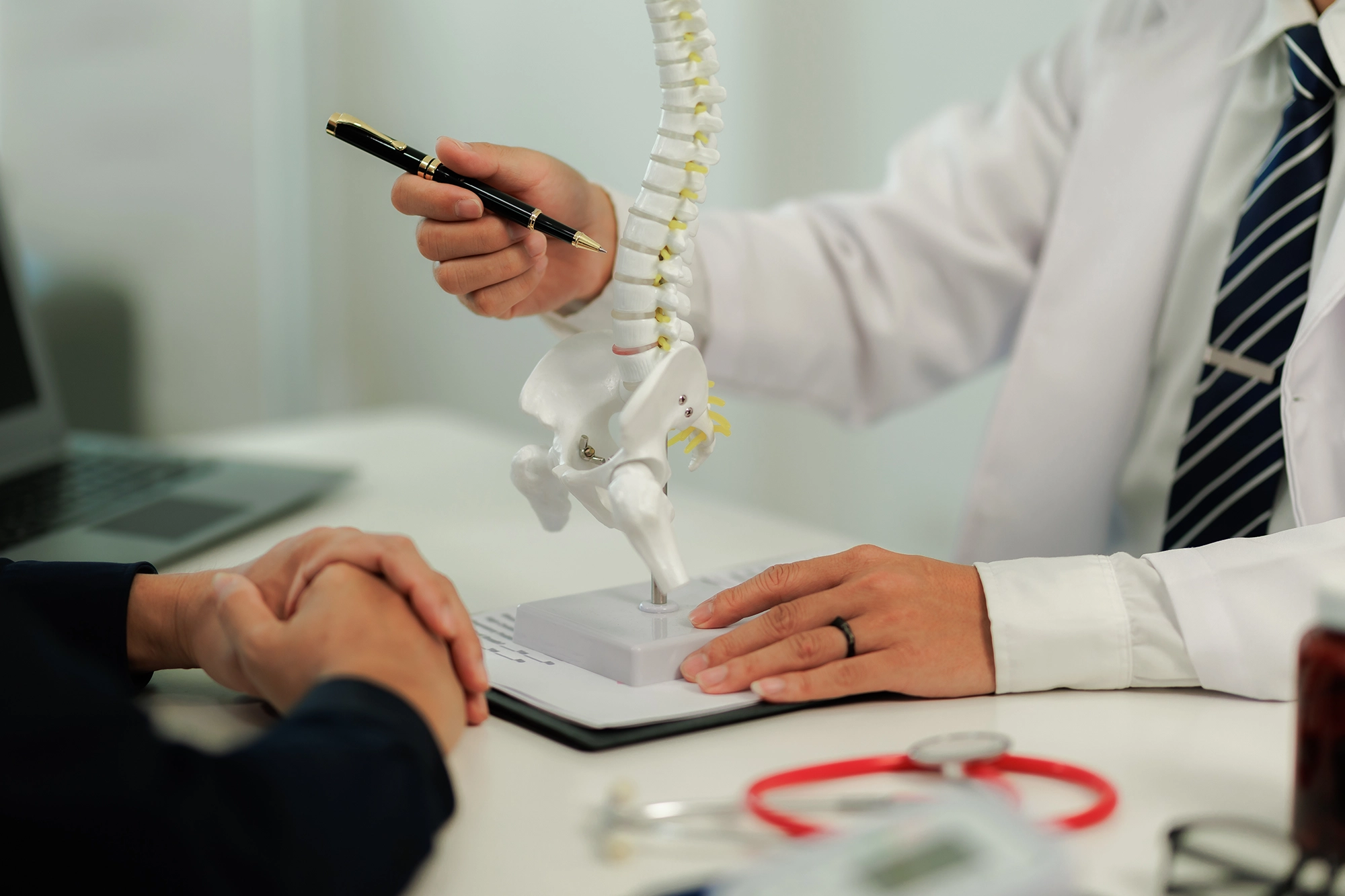
When symptoms persist despite conservative care, techniques offered at a pain management clinic may provide more direct pain relief. These include:
- Targeted muscle and joint injections to calm inflammation
- Nerve blocks to interrupt pain signals
- Radiofrequency treatments to reduce nerve irritation
- Minimally invasive procedures designed to address specific structural issues
These treatments aim to reduce pain at its source and improve mobility, often with faster recovery than traditional surgery.
Advantages of Trigger Point Injections
The benefits of this treatment include:
- Targeted pain relief at the source of discomfort
- Minimal downtime, with most patients resuming normal activities the same day
- Reduced muscle tension, which may help improve posture and prevent further strain
- A safe and effective option when conservative methods have not provided sufficient relief
Lifestyle Adjustments That Make a Difference
Daily habits can have a big impact on your back comfort. Simple changes in your routine may help reduce strain and prevent pain from worsening. Key adjustments include:
- Posture and Ergonomics: Long hours at a desk can place extra pressure on the spine. Adjust your workstation, use proper seating support and take regular breaks to stretch and relieve tension.
- Staying Active: Gentle movement often helps more than prolonged rest. Walking, light stretching, or mobility exercises improve circulation and keep muscles from stiffening.
- Mindful Lifting: When lifting objects, bend at your knees rather than your waist, keep the load close to your body and avoid twisting to protect your back.
- Regular Movement Breaks: Break up long periods of sitting with short walks or simple stretches to reduce spinal pressure and maintain flexibility.
- Healthy Lifestyle Choices: Maintaining a healthy weight, staying hydrated and eating nutrient rich foods can support spinal health and reduce overall strain.
Move Beyond Temporary Relief with Dr Thor Timothy
While painkillers may offer short term relief, they are only one part of a broader approach to care. At our pain specialist clinic led by Dr Thor Timothy, patients receive personalised treatment focused on identifying the root cause of pain and exploring options beyond medication.
If back pain has been limiting your daily activities, reach out today to discover solutions designed to restore mobility, ease discomfort and help you get back to the life you enjoy.
Frequently Asked Questions (FAQs) About Back Pain Treatment
Are minimally invasive treatments safe for back pain?
Minimally invasive procedures, such as radiofrequency treatments, nucleoplasty or annuloplasty, are generally safe when performed by experienced specialists. They target the source of pain precisely and often allow patients to return home the same day.
When should I consider seeing a pain management specialist?
If your back pain lasts more than a few weeks, interferes with daily activities or returns frequently despite self care, it’s time to consult a pain management clinic. Early intervention can prevent the problem from worsening.
How can a pain management clinic help with chronic back pain?
A pain management clinic like Alyssum Medical provides personalised treatment plans, including image guided injections, nerve blocks and other minimally invasive procedures. This approach aims to reduce pain, improve mobility and support long term recovery.
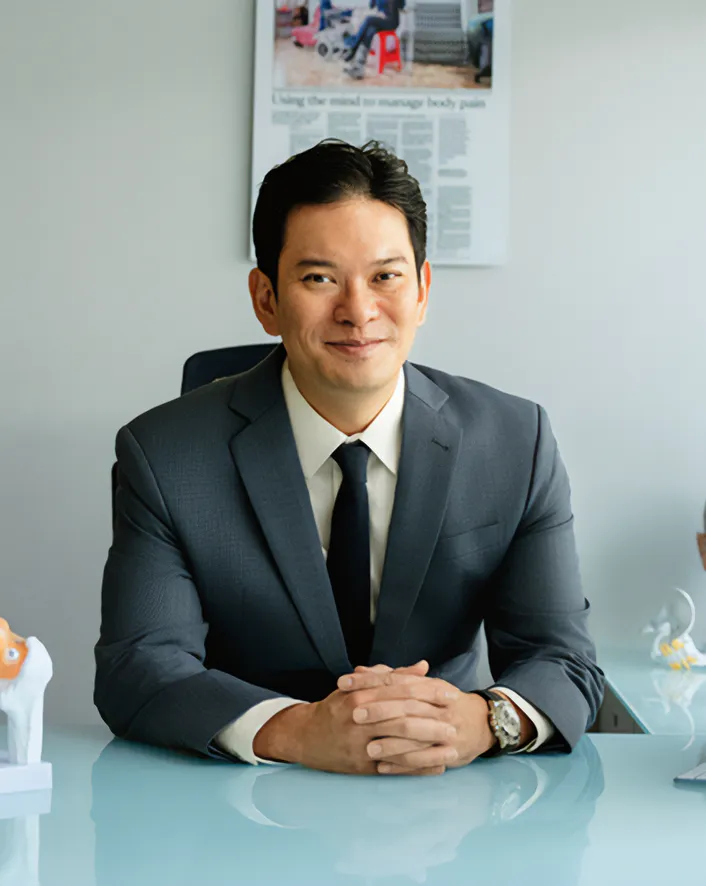
Meet Our Pain Specialist in Singapore
Dr Thor Timothy
MBBS (S’pore), MMed (Anaesthesiology), FFPMANZCA (ANZCA, Australia/New Zealand), FIPP (USA), EDPM (Europe), FAM (S’pore)


